How to remain hungry
Whole battles played out in our living room. Among dinosaurs and a legion of Bakugan, with Joost as commander. Ella drew and crafted for hours under my desk. Both kids also read everything they could get their hands on, fed by an endless stream of library books.
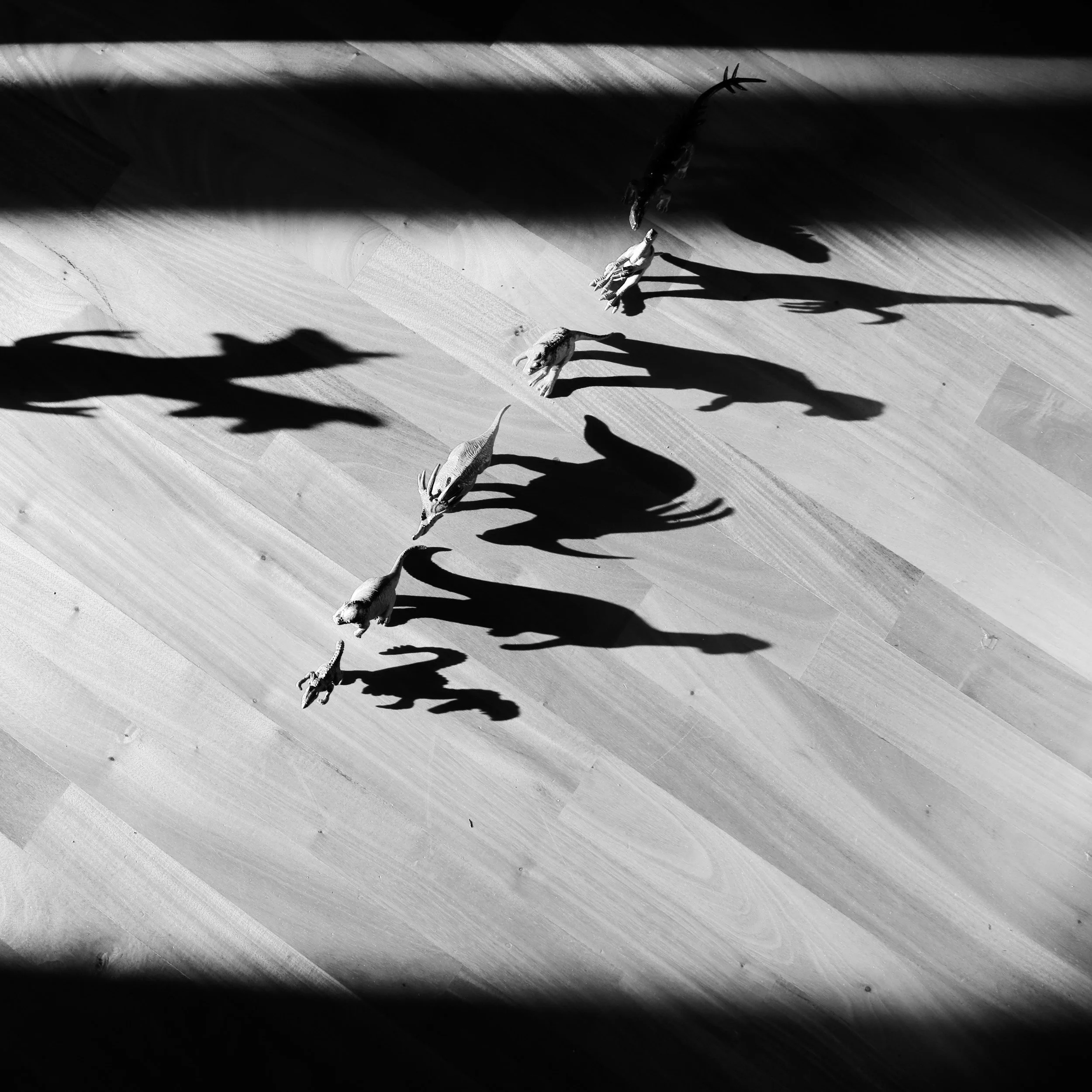
Surhuisterveen (2015).
That time is over. After Joost, Ella has now also finished secondary school. Definitely a festive milestone, just like the fact that Liesbeth and I celebrated our 21st wedding anniversary last week. Less festive is the realization that, over the course of just a few years, both the imagination and the eagerness to learn have mostly vanished in both children, like the Okjökull glacier in Iceland. Undoubtedly recognizable, especially if you have teenagers yourself. But quite a shame nonetheless.
Can't this be different?
Educational psychologist Benjamin Bloom already discovered something in 1984 known as the "two-sigma problem": students who received one-on-one tutoring scored, on average, two standard deviations (2 sigma) better than classmates in a classroom system. In other words, the average tutored student outperformed 98% of the class.
So the teaching method itself apparently isn't the problem. With a private tutor, it works just fine. But offering that to every student is, of course, not feasible — not in terms of money, nor teachers. Or so you'd think...
By now, that may actually be possible after all. A Harvard study (Kestin et al., 2025) showed that an AI tutor in a physics course had students learn twice as much as active classroom instruction. In less time, and with far more enthusiasm and motivation, thanks to teaching that continuously adapted to where the student was at that moment. Continuous, individualized teaching, in other words.
And then there's something else. An extensive meta-analysis of hundreds of experiments (Deci, Koestner & Ryan, 1999) has shown that extrinsic rewards, such as grades or money, can massively undermine intrinsic motivation for a task. Exactly what I saw happen with Joost and Ella, especially when it came to reading: the moment learning became a grade instead of an activity, the hunger disappeared.
Why is that?
Deci and Ryan's broader self-determination theory offers an explanation. According to them, intrinsic motivation thrives on three basic psychological needs: autonomy (directing your own actions), competence (the feeling of getting better at something), and relatedness (the feeling of being part of something, together with others). Grades primarily undermine the first two: learning becomes something you do for someone else — a teacher, a list, an average — rather than for yourself, and the measure shifts from have I gotten better? to did I score enough?
Why have I myself never lost my drive to learn and create? Maybe it's because, in the world of art and photography, I never had any formal schooling. I did have 15 years of drawing, painting, and printmaking courses, a year of goldsmithing, 17 years of improv theatre, and 20 years of photography. But none of that involved grades.
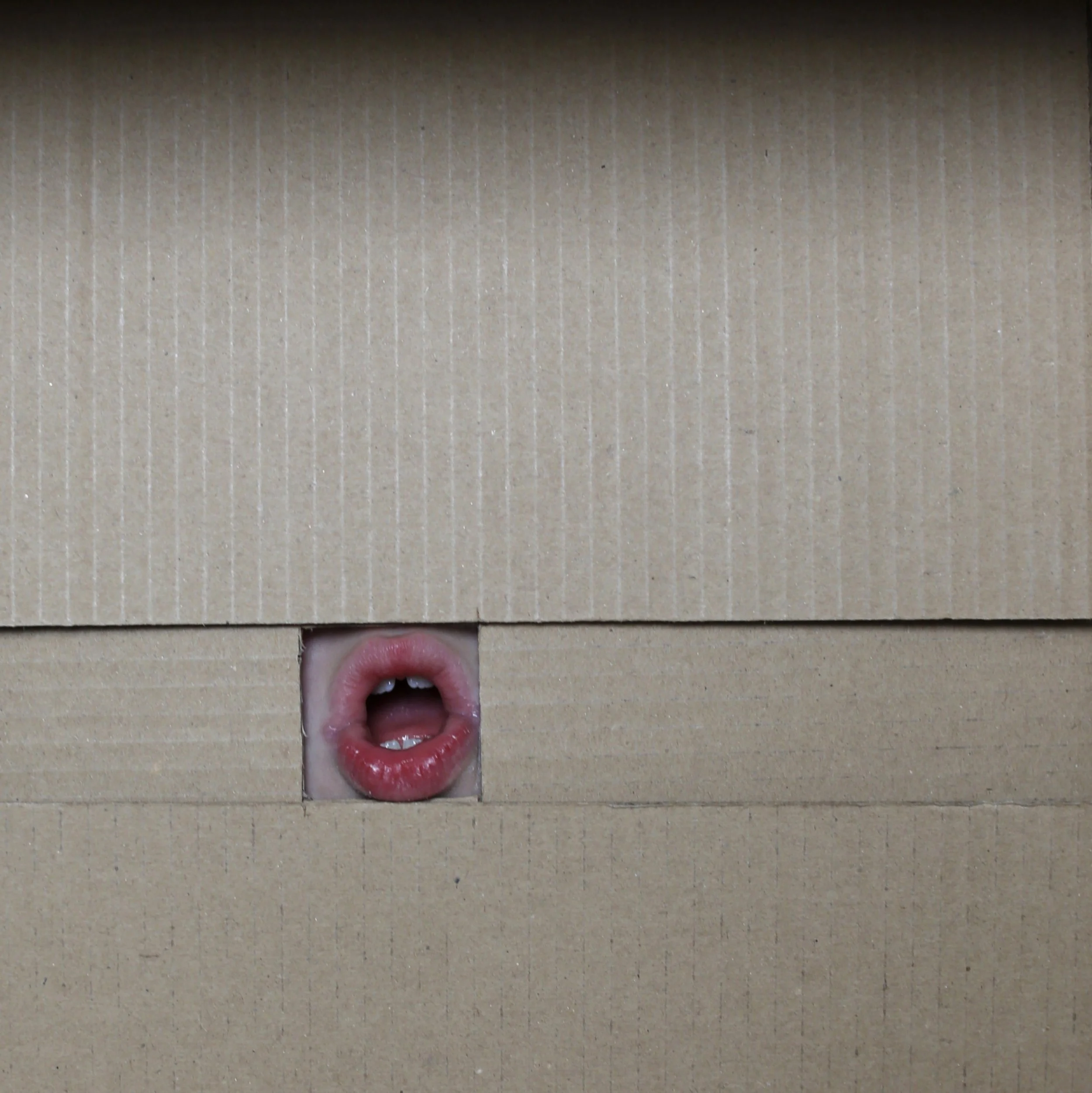
Surhuisterveen (2014).
Autonomy, competence, and relatedness.
Looking back, those are exactly the things I missed enormously as an academic in those last years. Fortunately, I now have those basic needs fully back in place: I'm my own boss, I strongly feel like I'm growing and thriving, and I definitely feel connected to other people — family, friends, colleagues, clients, my newsletter subscribers. I now have more attention and time for that.
Intrinsically motivated learning, without grades, individually tailored to learning pace and personal interests. What would the world look like if that were possible for young and old alike?
But really, the question isn't whether it's possible, or whether it would work. The real question is when we'll dare to try it.
Sources
Bloom, B. S. (1984). The 2 sigma problem: The search for methods of group instruction as effective as one-to-one tutoring. Educational Researcher, 13(6), 4–16.
Kestin, G., Miller, K., Klales, A., Milbourne, T., & Ponti, G. (2025). AI tutoring outperforms in-class active learning: an RCT introducing a novel research-based design in an authentic educational setting. Scientific Reports, 15(1), 17458.
Deci, E. L., Koestner, R., & Ryan, R. M. (1999). A meta-analytic review of experiments examining the effects of extrinsic rewards on intrinsic motivation. Psychological Bulletin, 125(6), 627–668.
Hoe je hongerig blijft
Surhuisterveen (2015).
Hele veldslagen speelden zich in de woonkamer af. Tussen dino’s en een legioen aan Bakugans, met Joost als aanvoerder. Ella tekende en knutselde uren onder mijn werktafel. Beide kinderen lazen daarnaast alles wat los en vast zat, gevoed door een onuitputtelijke stroom aan bibliotheekboeken.
Die tijd is voorbij. Na Joost is ook Ella nu klaar met de middelbare school. Beslist een feestelijke mijlpaal, net als het feit dat Liesbeth en ik afgelopen week 21 jaar getrouwd waren. Minder feestelijk is de constatering dat zowel de fantasie als ook die gretigheid om te leren in een paar jaar tijd in beide kinderen grotendeels is verdwenen, zoals de Okjökull-gletsjer in IJsland. Ongetwijfeld herkenbaar, vooral als je zelf pubers hebt. Maar wel erg jammer.
Kan dat niet anders?
Onderwijspsycholoog Benjamin Bloom ontdekte in 1984 al iets dat bekend staat als het “two-sigma probleem”: leerlingen die één-op-één bijles kregen, scoorden gemiddeld twee standaarddeviaties (2 sigma) beter dan klasgenoten in een klassikaal systeem. De gemiddelde bijlesleerling deed het m.a.w. beter dan 98% van de klas.
De leermethode is dus blijkbaar niet het probleem. Met een privédocent lukt het prima. Maar om elke leerling dat te bieden is natuurlijk niet te doen, zowel qua centen als docenten. Zou je denken…
Inmiddels is dat misschien wel degelijk mogelijk. Een Harvard-onderzoek (Kestin e.a., 2025) liet zien dat een AI-tutor in een natuurkundecollege studenten tweemaal zoveel liet leren als actieve klassikale instructie. In minder tijd, en met veel meer enthousiasme en motivatie, dankzij onderwijs dat zich voortdurend aanpaste aan waar de leerling op dat moment stond. Continu maatwerk dus.
En dan is er nog iets. Een uitgebreide meta-analyse van honderden experimenten (Deci, Koestner & Ryan, 1999) toont aan dat extrinsieke beloningen, zoals cijfers of geld, de intrinsieke motivatie voor een taak enorm kunnen ondermijnen. Precies wat ik bij Joost en Ella zag gebeuren, vooral bij het lezen van boeken: zodra leren een cijfer werd in plaats van een activiteit, verdween de gulzigheid.
Hoe komt dit?
Deci en Ryans bredere zelfdeterminatietheorie geeft daar een verklaring voor. Intrinsieke motivatie gedijt volgens hen op drie psychologische basisbehoeften: autonomie (zelf richting geven aan wat je doet), competentie (het gevoel ergens beter in te worden) en verbondenheid (het gevoel onderdeel te zijn van iets, met anderen). Cijfers ondermijnen vooral de eerste twee: leren wordt iets wat je voor een ander doet — een docent, een lijst, een gemiddelde — in plaats van voor jezelf, en het meetpunt verschuift van ben ik beter geworden naar heb ik genoeg gescoord.
Waarom ikzelf mijn gedrevenheid om te leren en creëren nooit kwijt ben geraakt? Misschien wel omdat ik op het vlak van kunst en fotografie nooit formele scholing heb gehad. Wel 15 jaar aan teken- schilder- & grafiekcursussen, een jaar edelsmeden, 17 jaar improvisatietheater, en 20 jaar fotografie. Maar daar kwamen geen cijfers aan te pas.
Surhuisterveen (2014).
Autonomie, competentie en verbondenheid.
Als ik eraan terugdenk, zijn dat precies de dingen die ik als academicus de laatste jaren enorm heb gemist. Gelukkig heb ik die basisbehoeften nu weer helemaal op orde: Ik ben eigen baas, heb sterk het gevoel dat ik groei en bloei, en ik voel me ook zeker verbonden met andere mensen; familie, vrienden, collega’s, opdrachtgevers, mijn nieuwsbrieflezers. Ik heb er nu meer aandacht en tijd voor.
Intrinsiek gemotiveerd leren, zonder cijfers, individueel afgestemd op leertempo en eigen interesses. Hoe zou de wereld eruit zien als dat voor jong en oud zou kunnen?
Maar eigenlijk is de vraag dus niet of het kan en of het zou werken. De werkelijke vraag is wanneer we het aandurven.
Bronnen
Bloom, B. S. (1984). The 2 sigma problem: The search for methods of group instruction as effective as one-to-one tutoring. Educational Researcher, 13(6), 4–16.
Kestin, G., Miller, K., Klales, A., Milbourne, T., & Ponti, G. (2025). AI tutoring outperforms in-class active learning: an RCT introducing a novel research-based design in an authentic educational setting. Scientific Reports, 15(1), 17458.
Deci, E. L., Koestner, R., & Ryan, R. M. (1999). A meta-analytic review of experiments examining the effects of extrinsic rewards on intrinsic motivation. Psychological Bulletin, 125(6), 627–668.