As a matter of fact, at the end of last year I actually applied to become curator of this exhibition.
So you have experience curating exhibitions?
Uh, well, no. But the theme 'Thinking hands' resonated with me so much that I couldn't let the chance pass me by. In recent years my work has increasingly come about through my own 'thinking hands' — in the form of 3D photo assemblages, physically manipulated photographs, cyanotypes and photopolymers.
But it didn't work out, then?
No, sadly not.
OK, tell me more, what's the exhibition actually about?
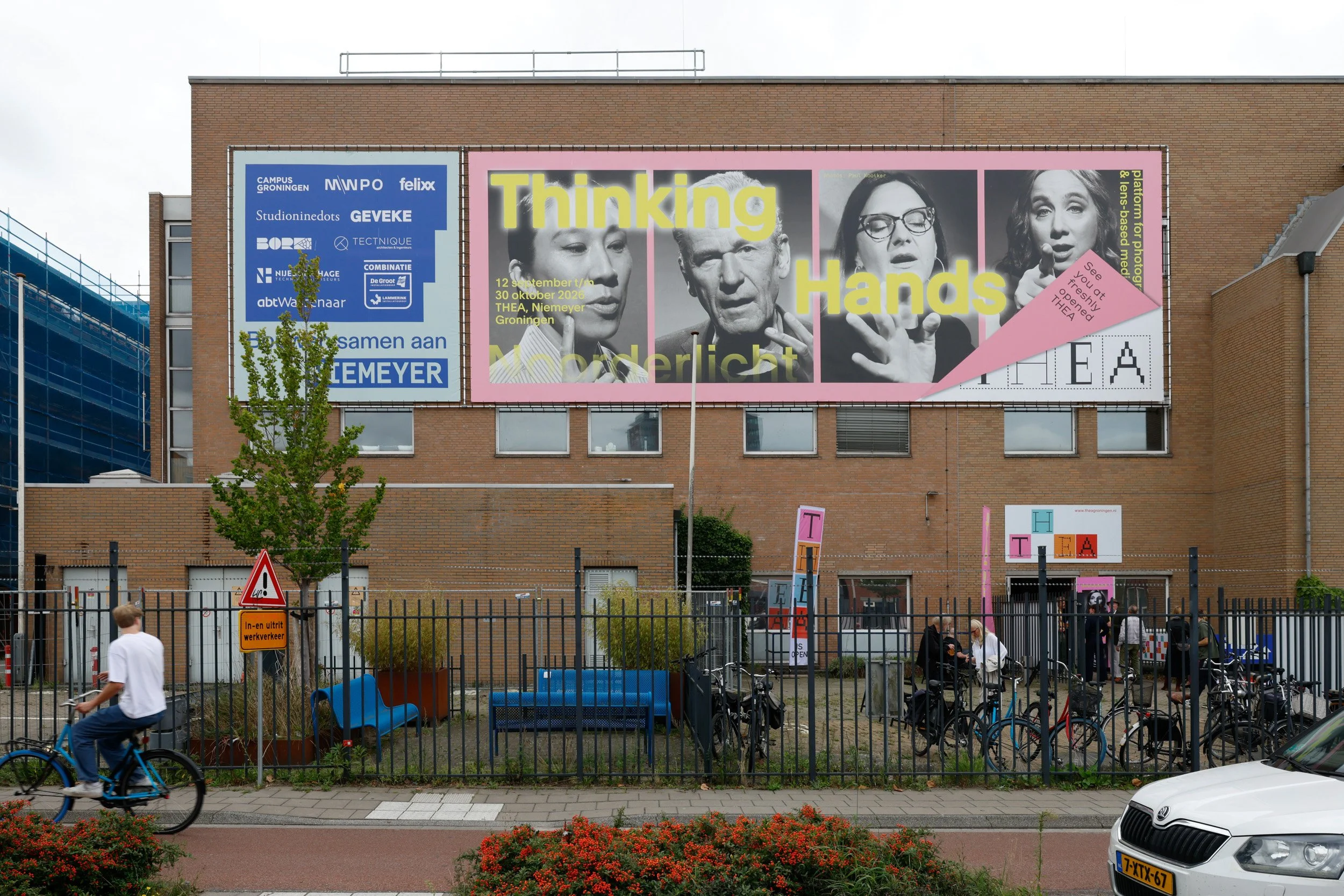
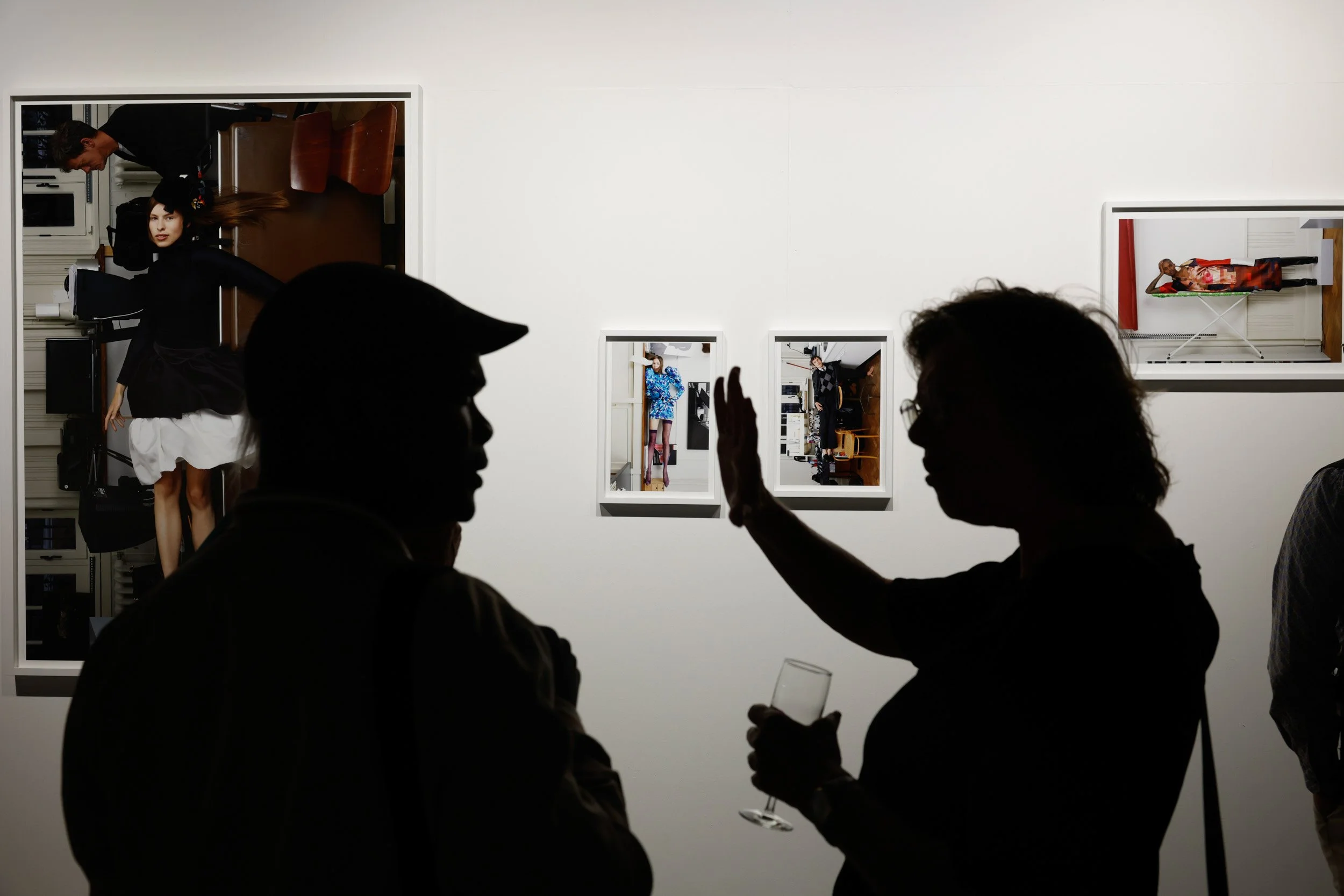
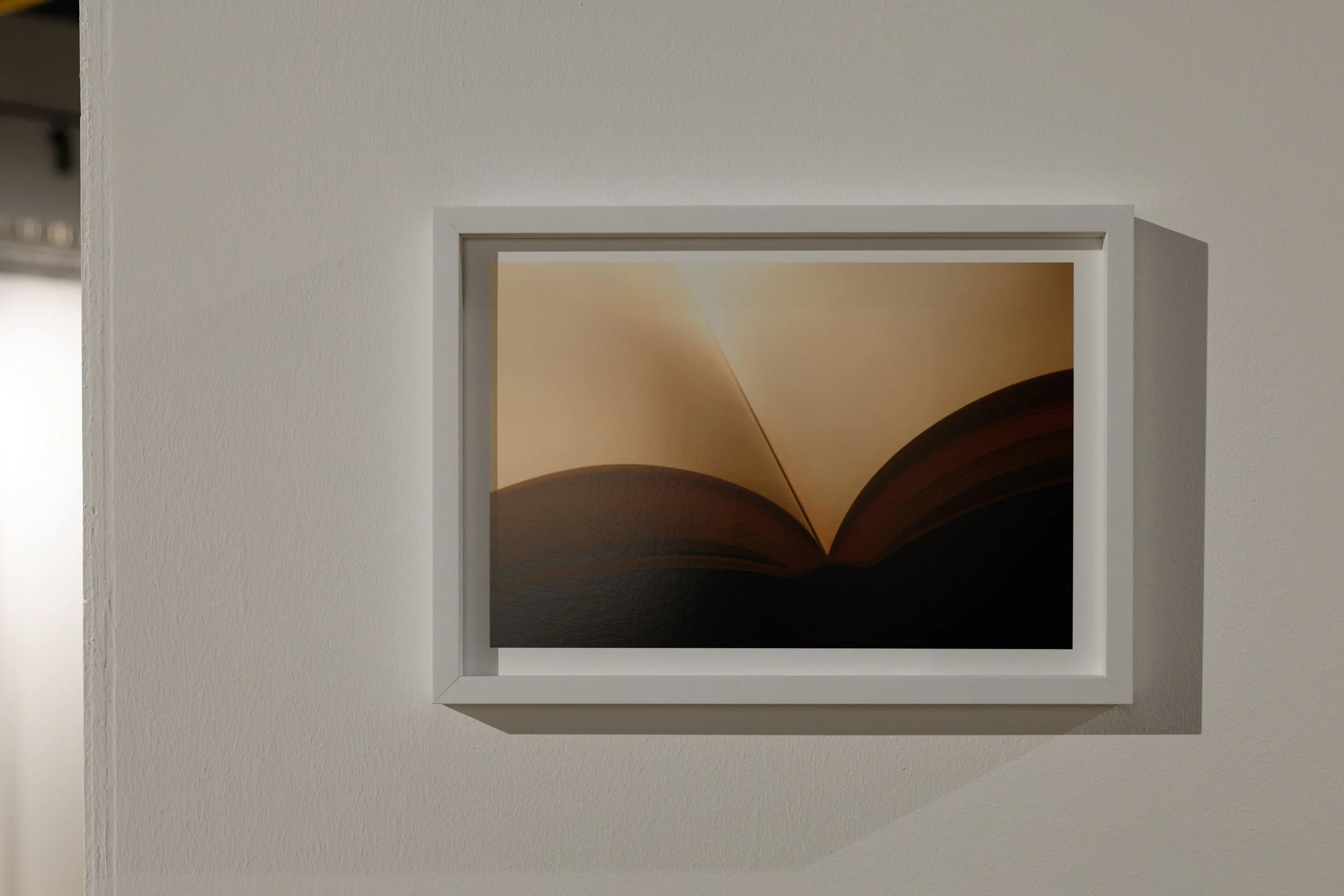
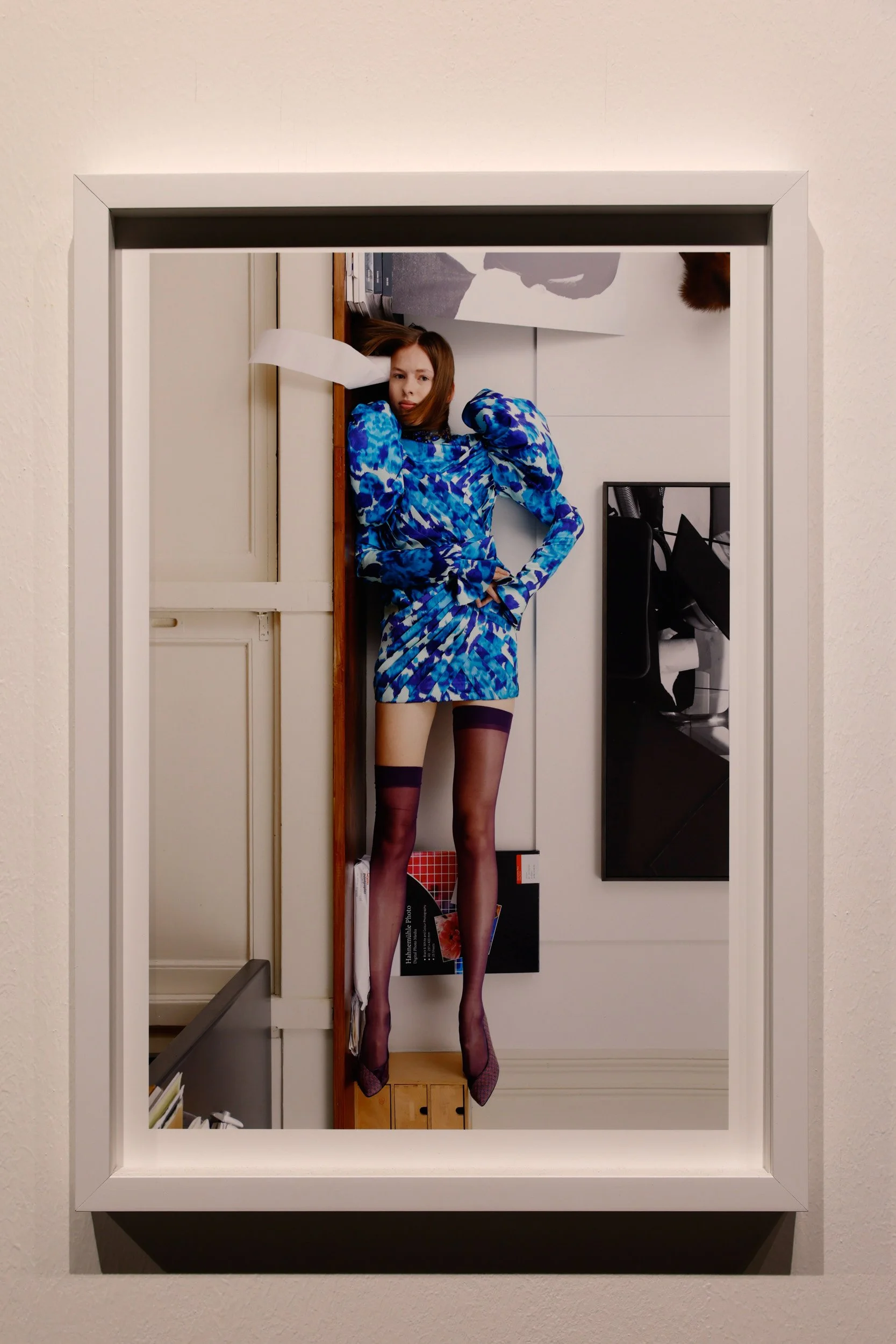
Noorderlicht's new exhibition (12 September - 1 November 2026), titled 'Thinking hands', is about the knowledge held in our bodies. In making, in touching, in feeling. Knowledge you can't simply put into data or into a computer. What does the body know that the mind doesn't?
Well, given my work and background, you can probably guess why that appealed to me so much. And of course why I was hugely curious to see what they'd made of it. I had — let's say — high expectations. But as is so often the case with high expectations: they're rarely met. This was no exception.
Too bad. Was there nothing good about it, then?
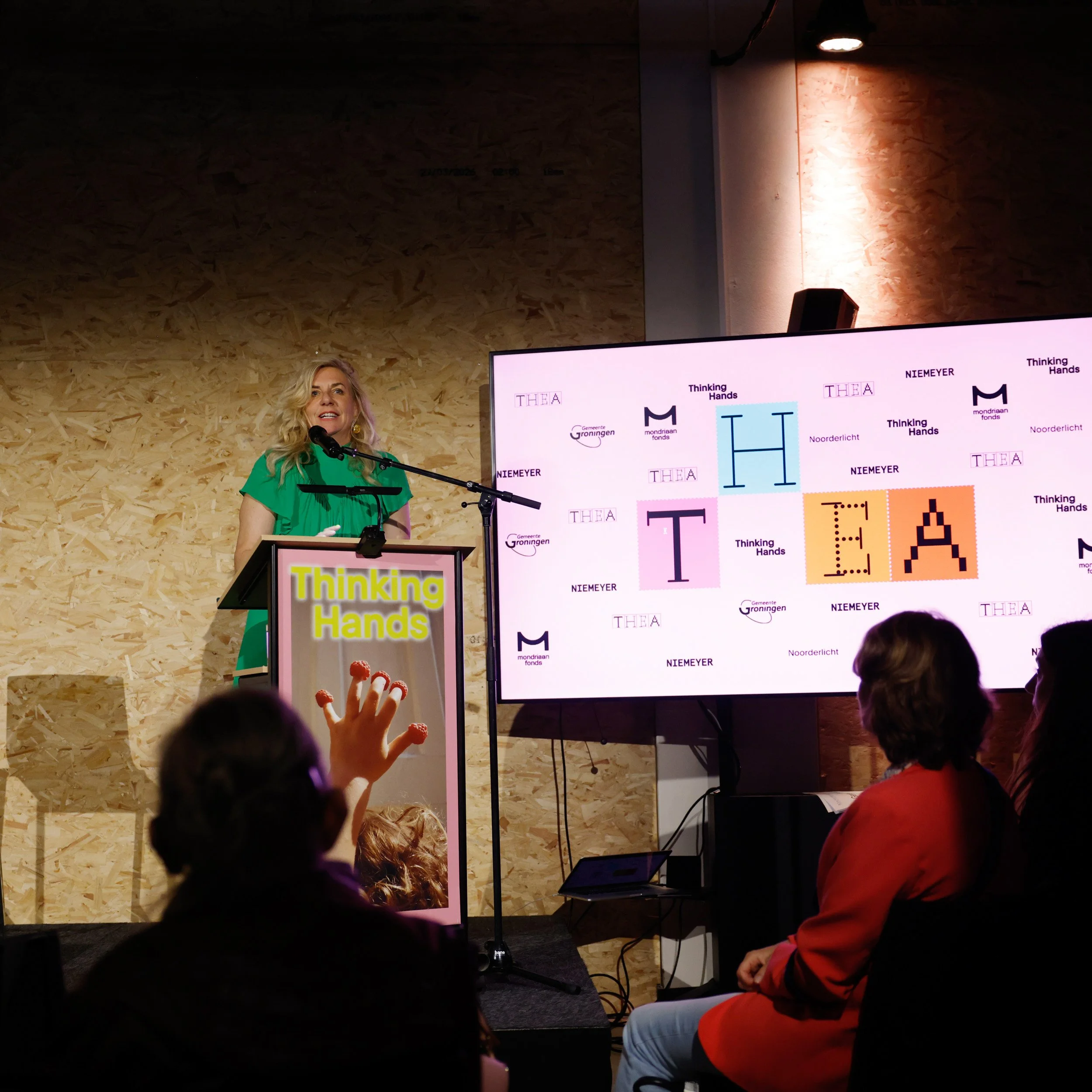
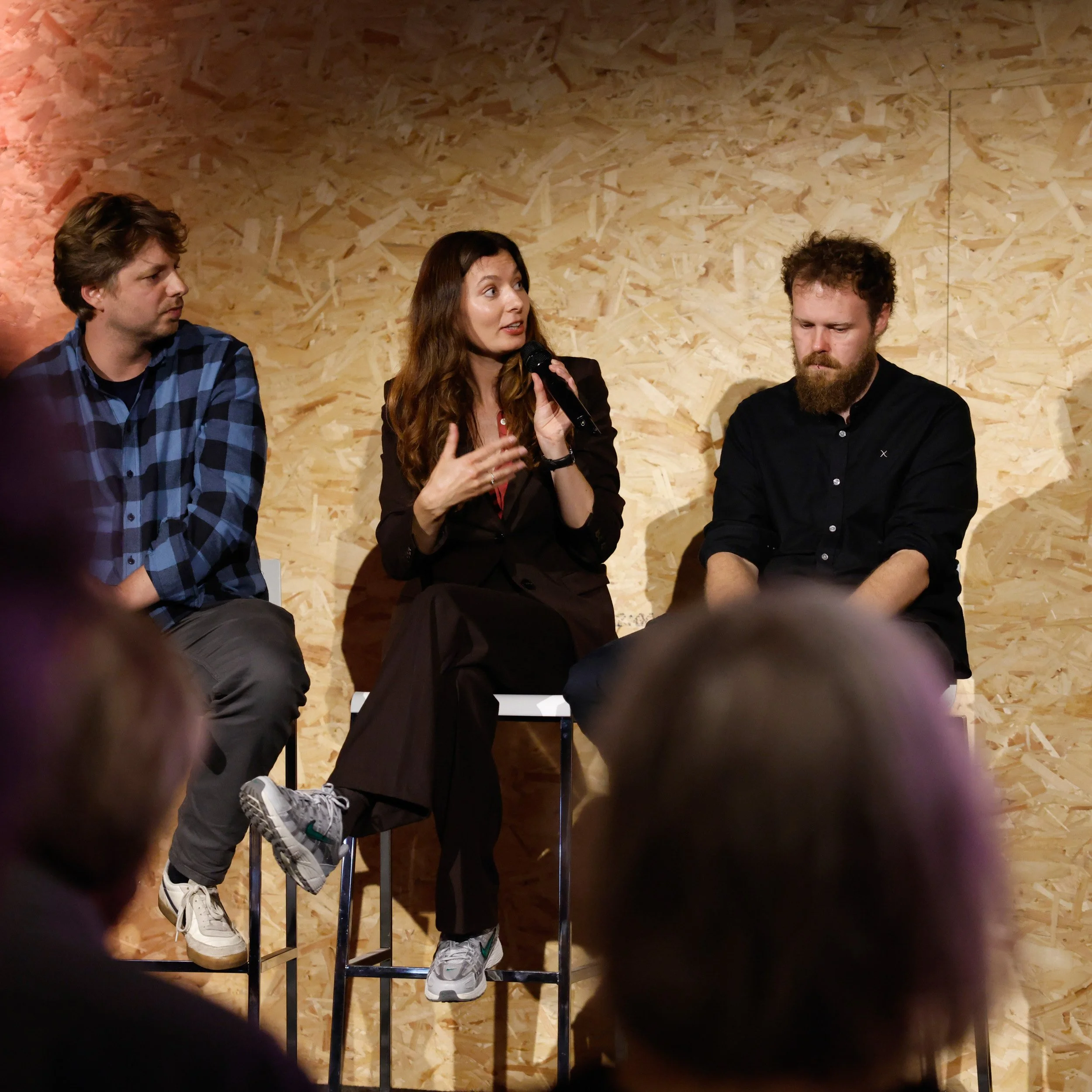
Oh, there was! The opening of the Noorderlicht exhibition was combined with the opening of Thea: a new space in Niemeyer's cultural centre in Groningen, where visual art, technology and society come together — and where that AI factory will eventually get its own spot too.
Sounds festive.
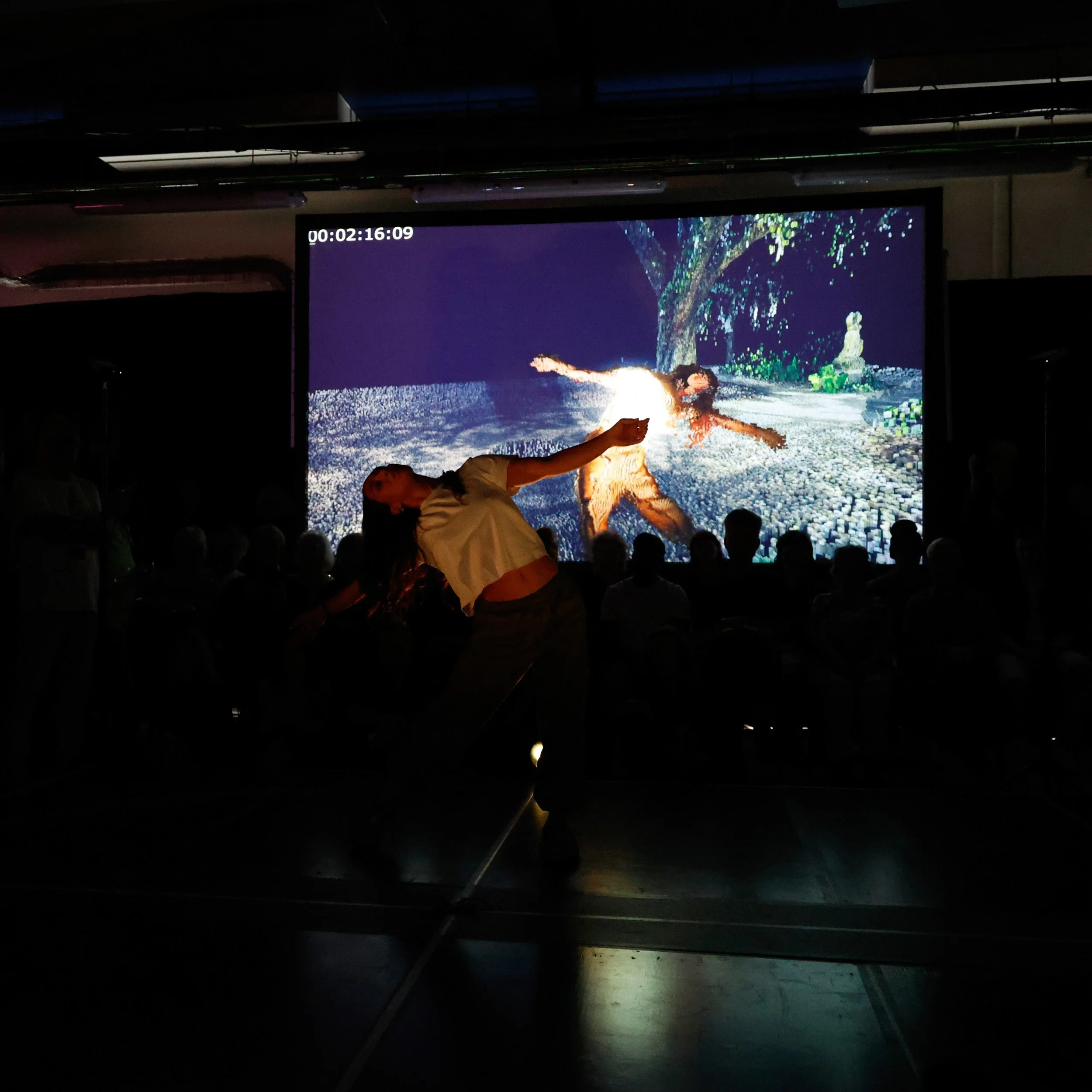
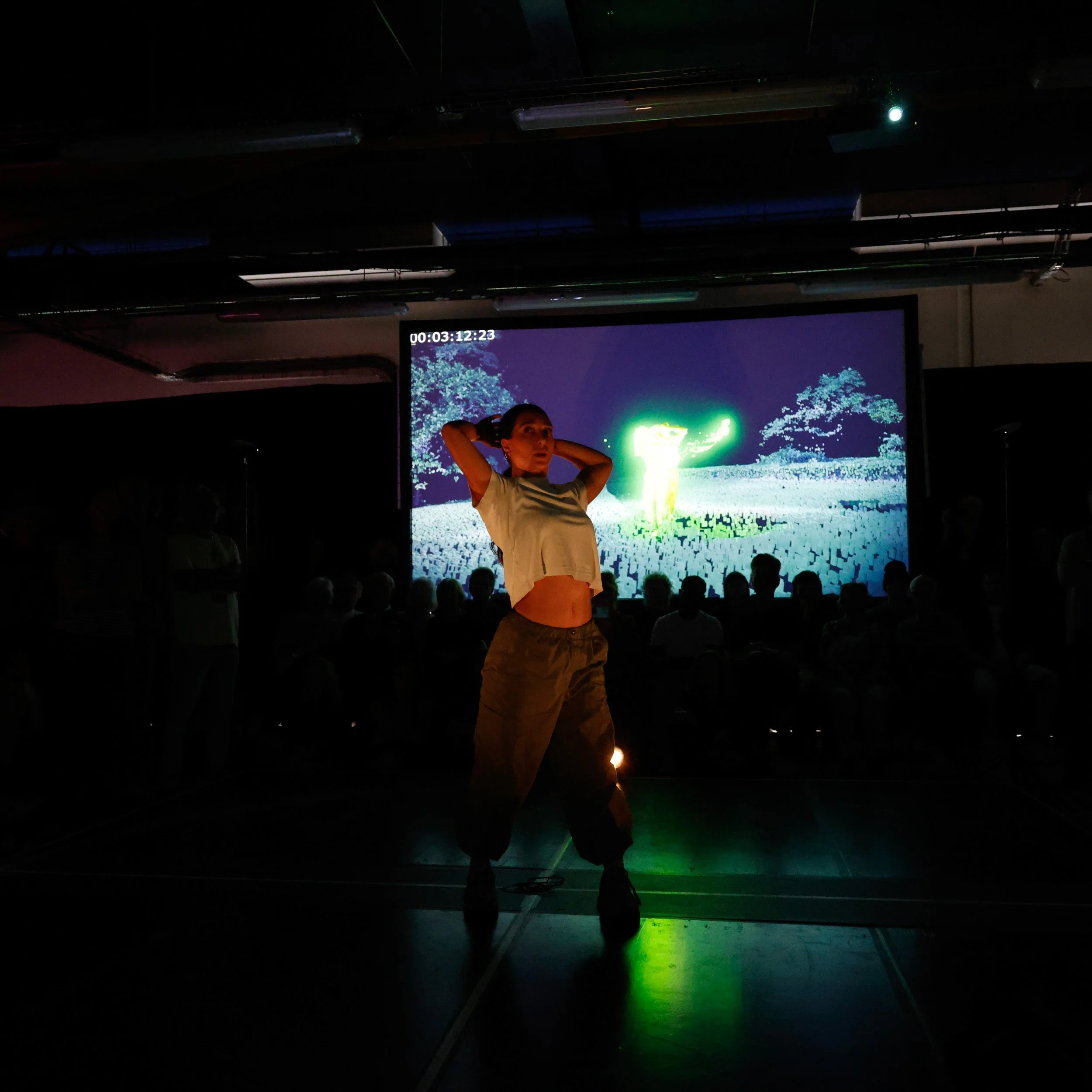
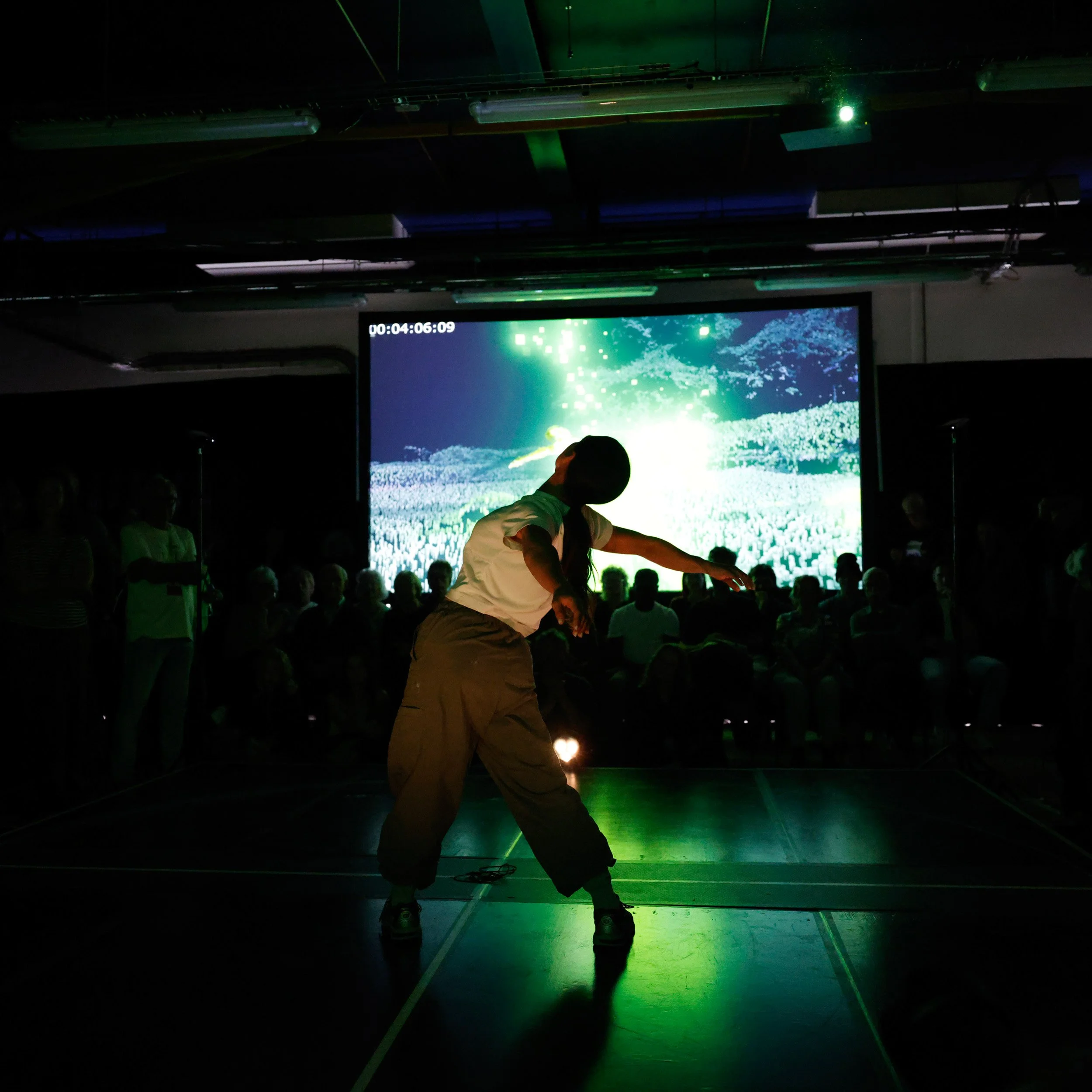
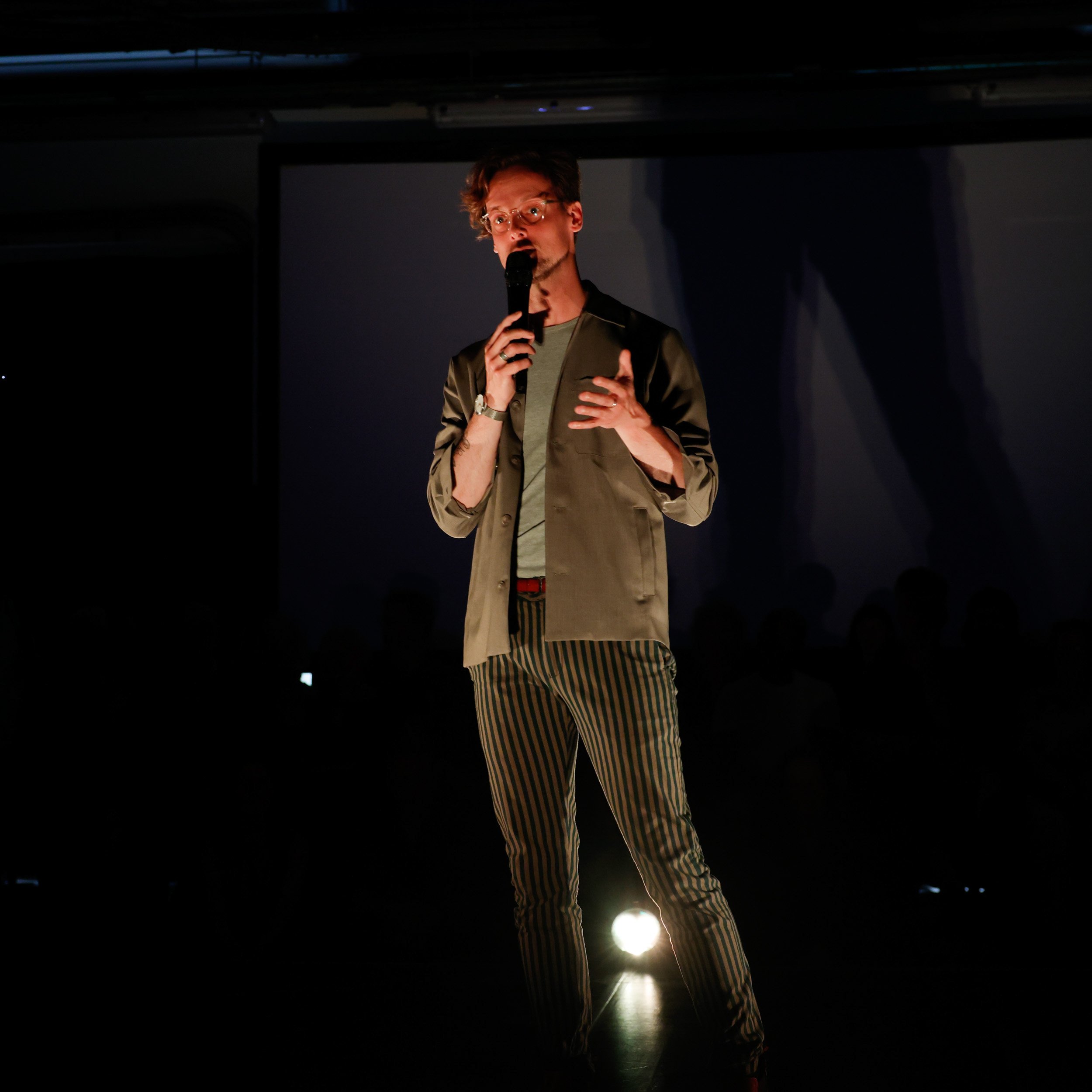
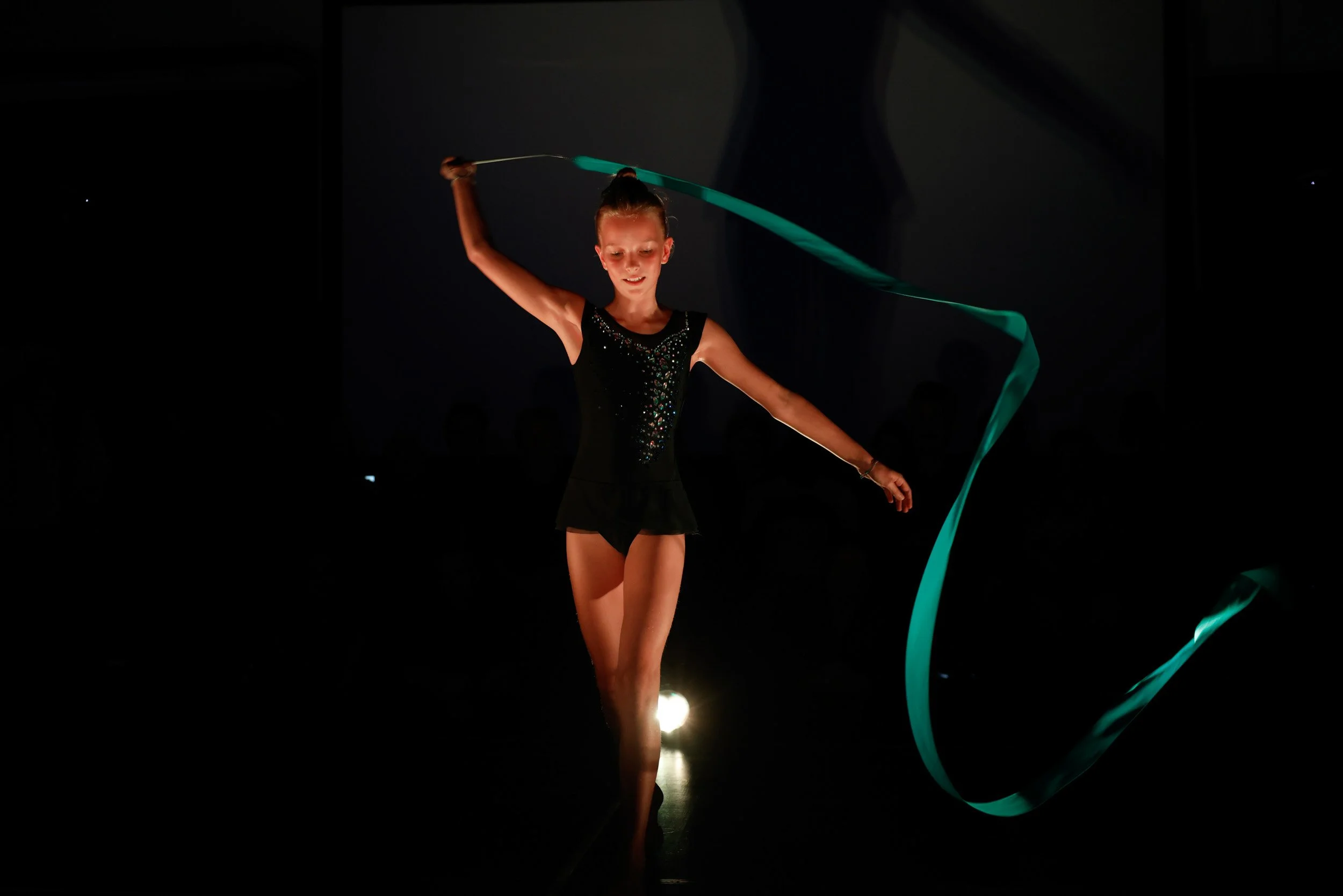
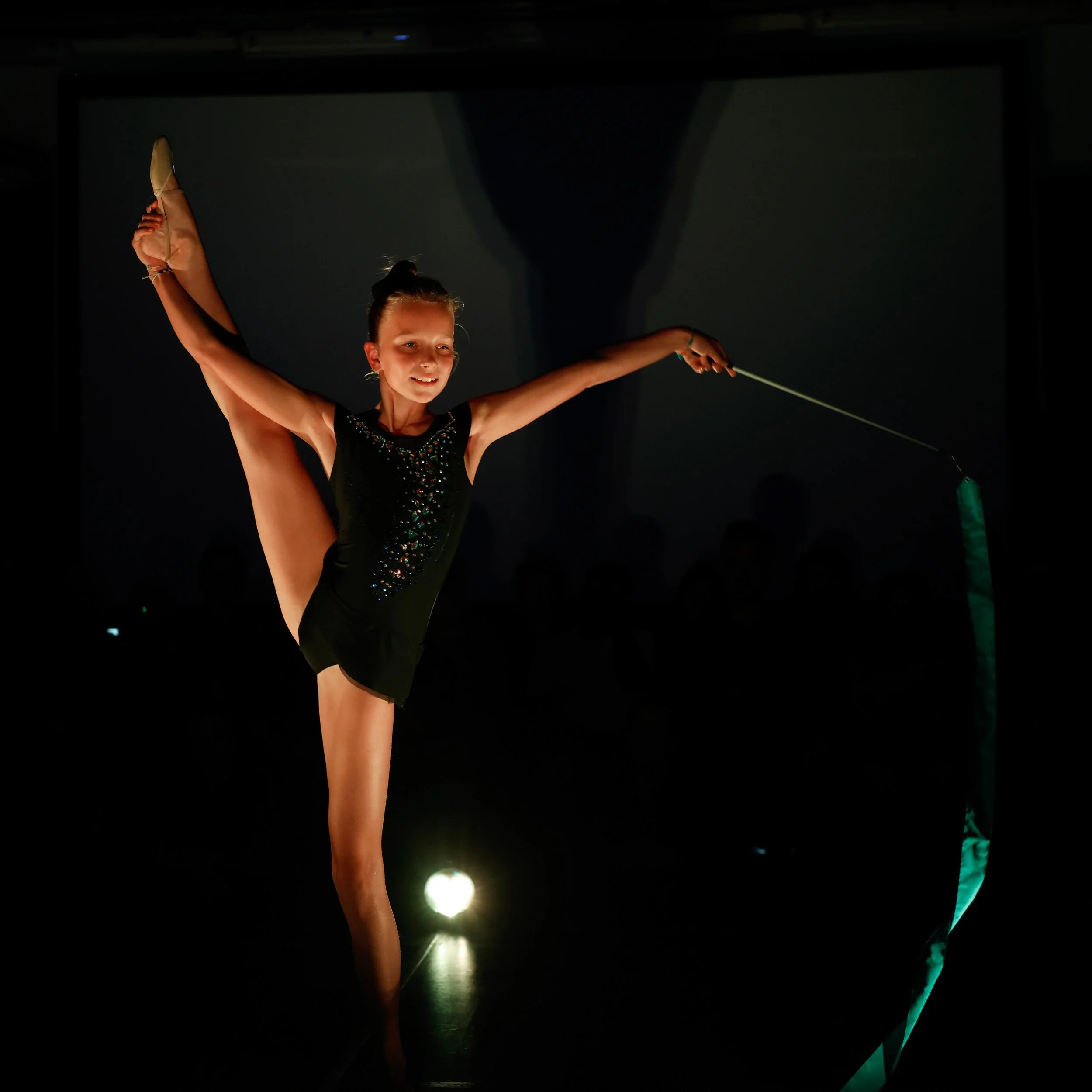
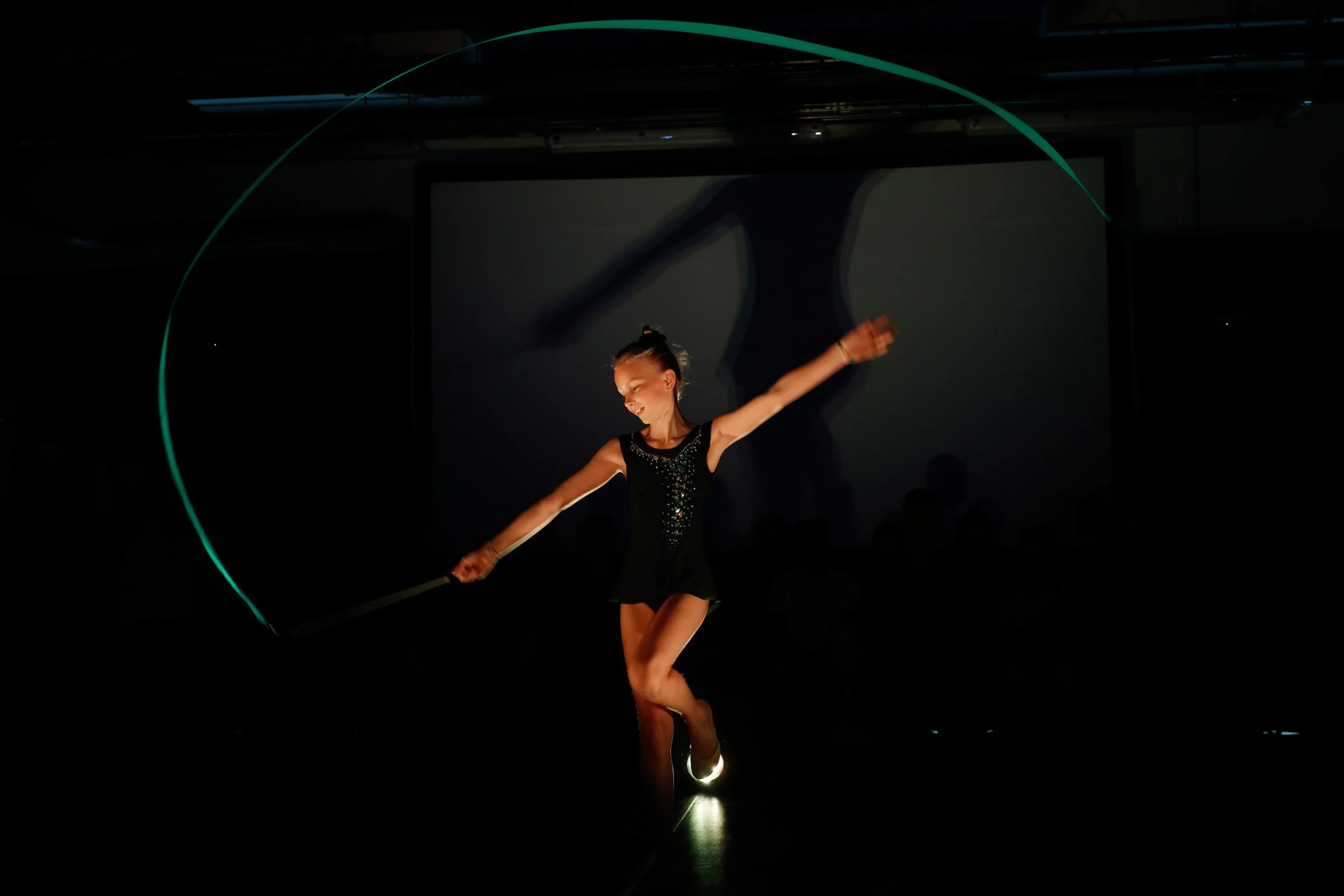
Yes, it came with quite a spectacle: champagne, an impressive drum performance, a slick presenter, poetry, an elegant dance performance by Noorderlicht's new children's director, and a dancer moving gracefully on a round stage, eventually dancing alongside three digital copies of herself. Pretty cool, actually.
And 'Thinking hands' itself?
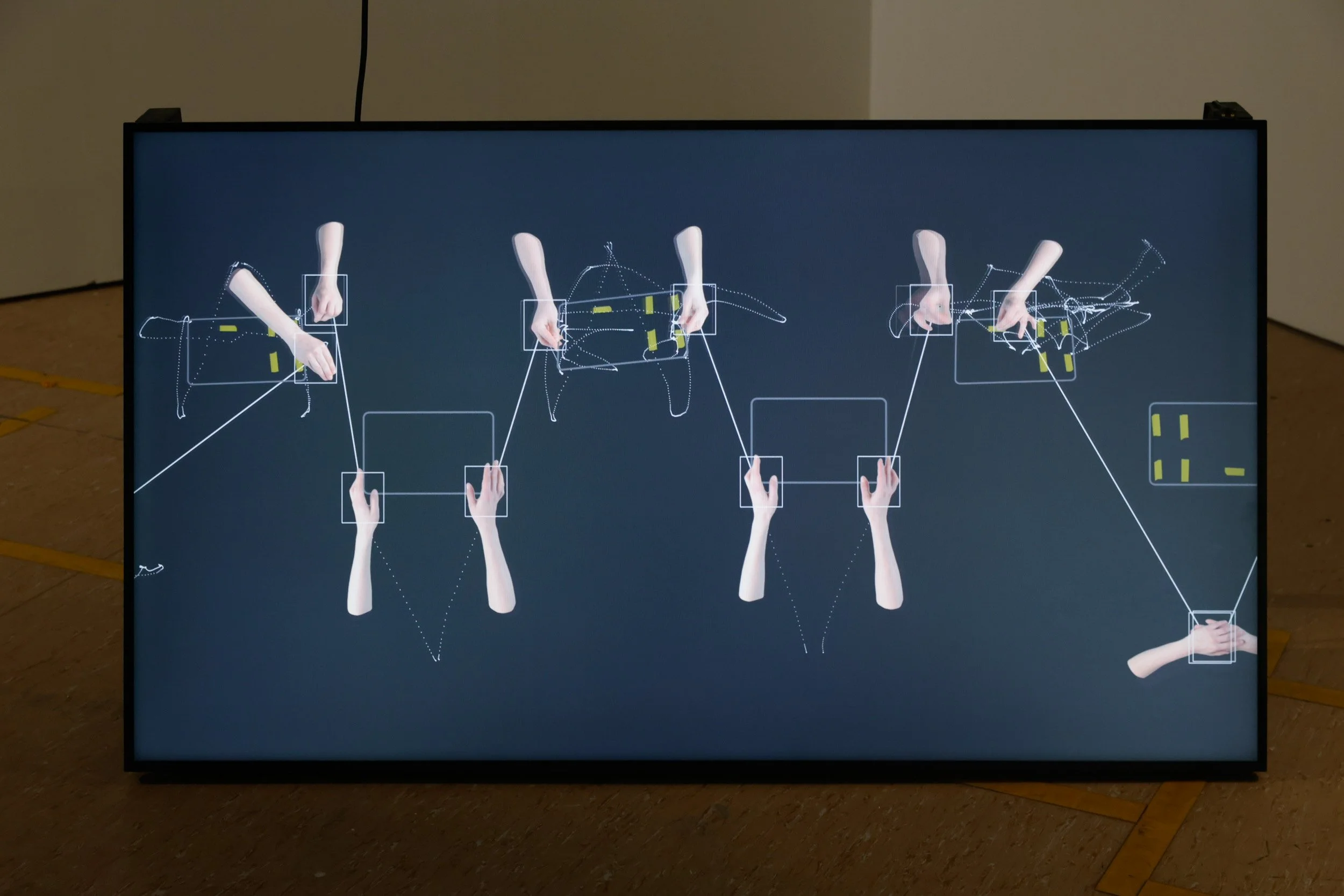
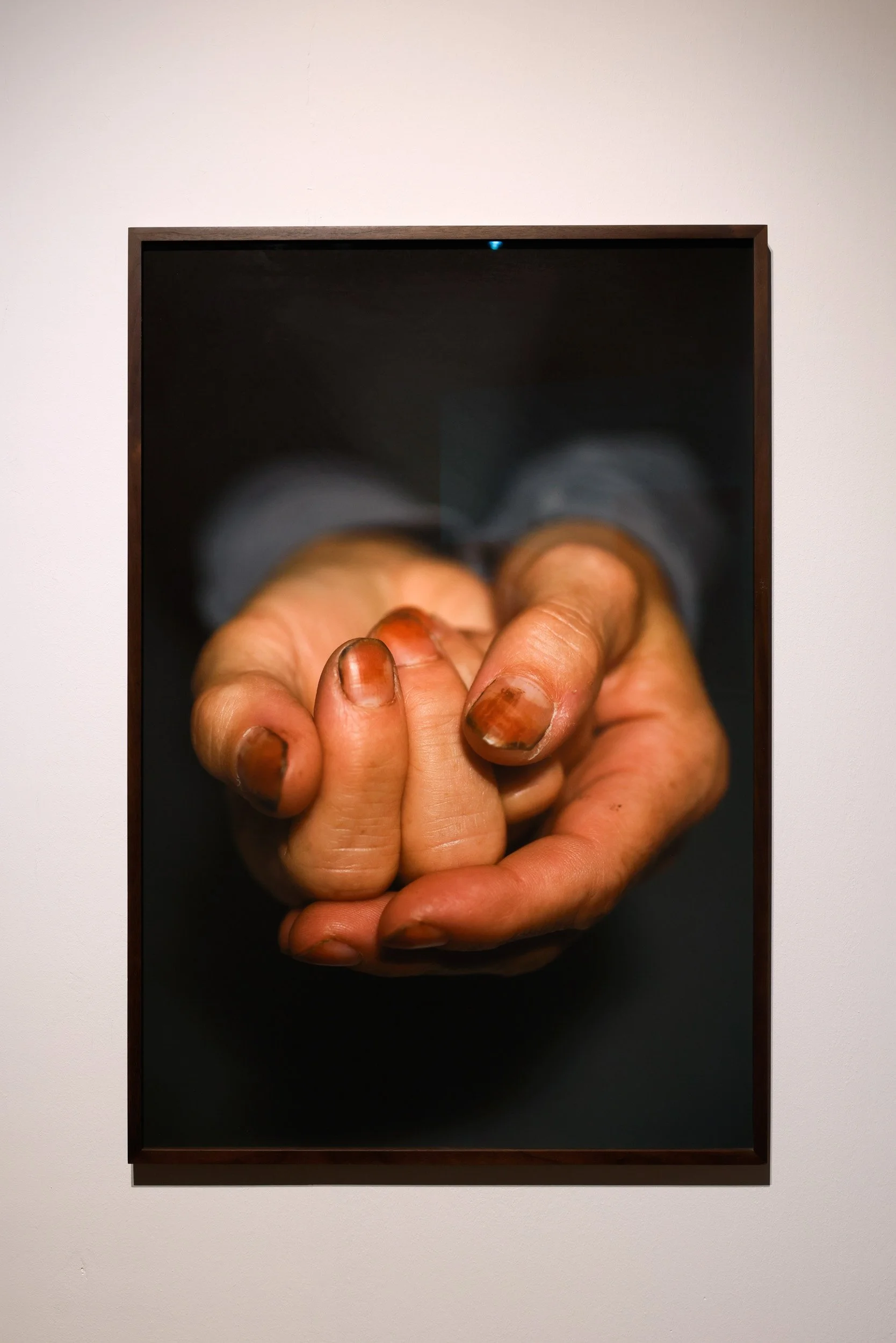
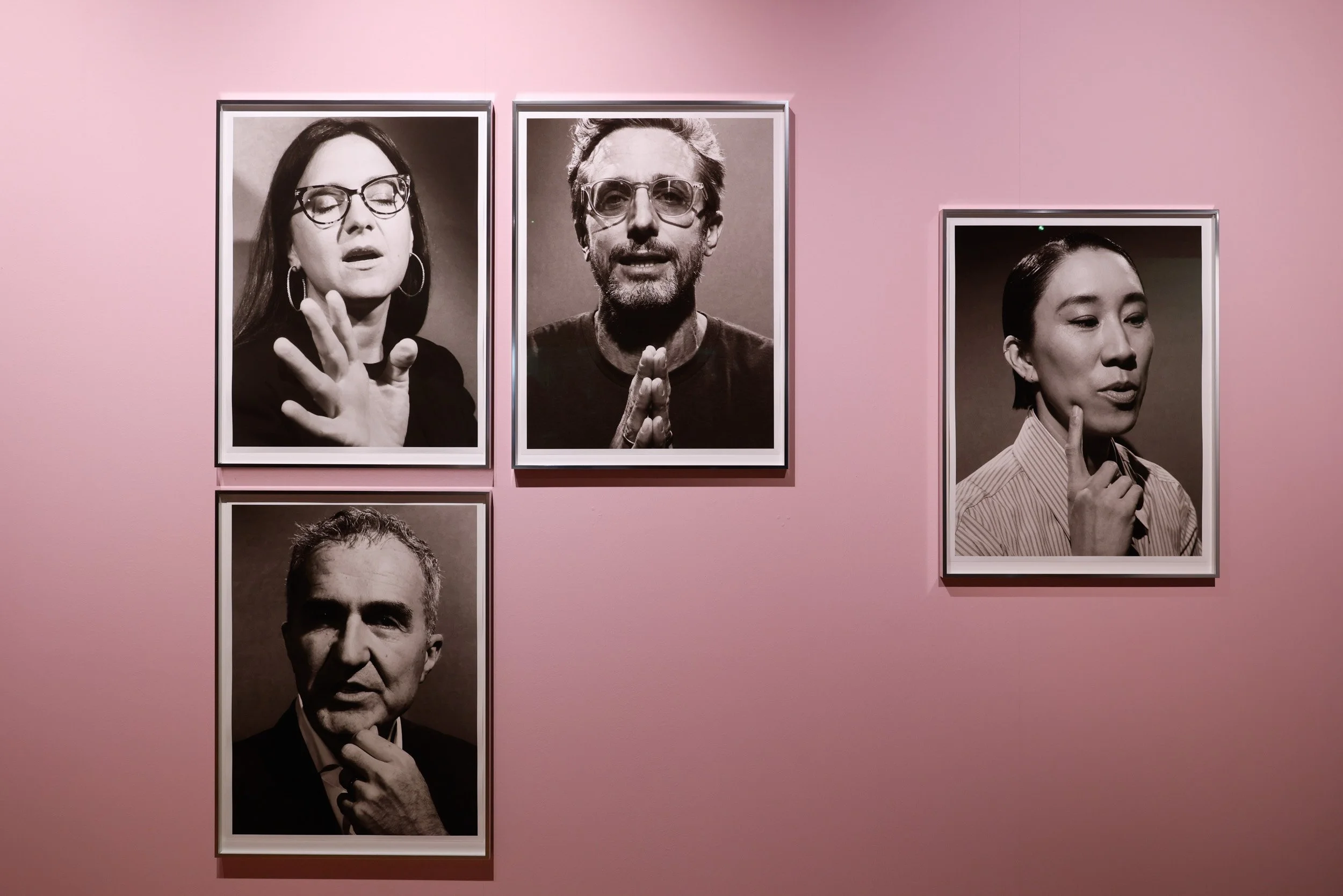
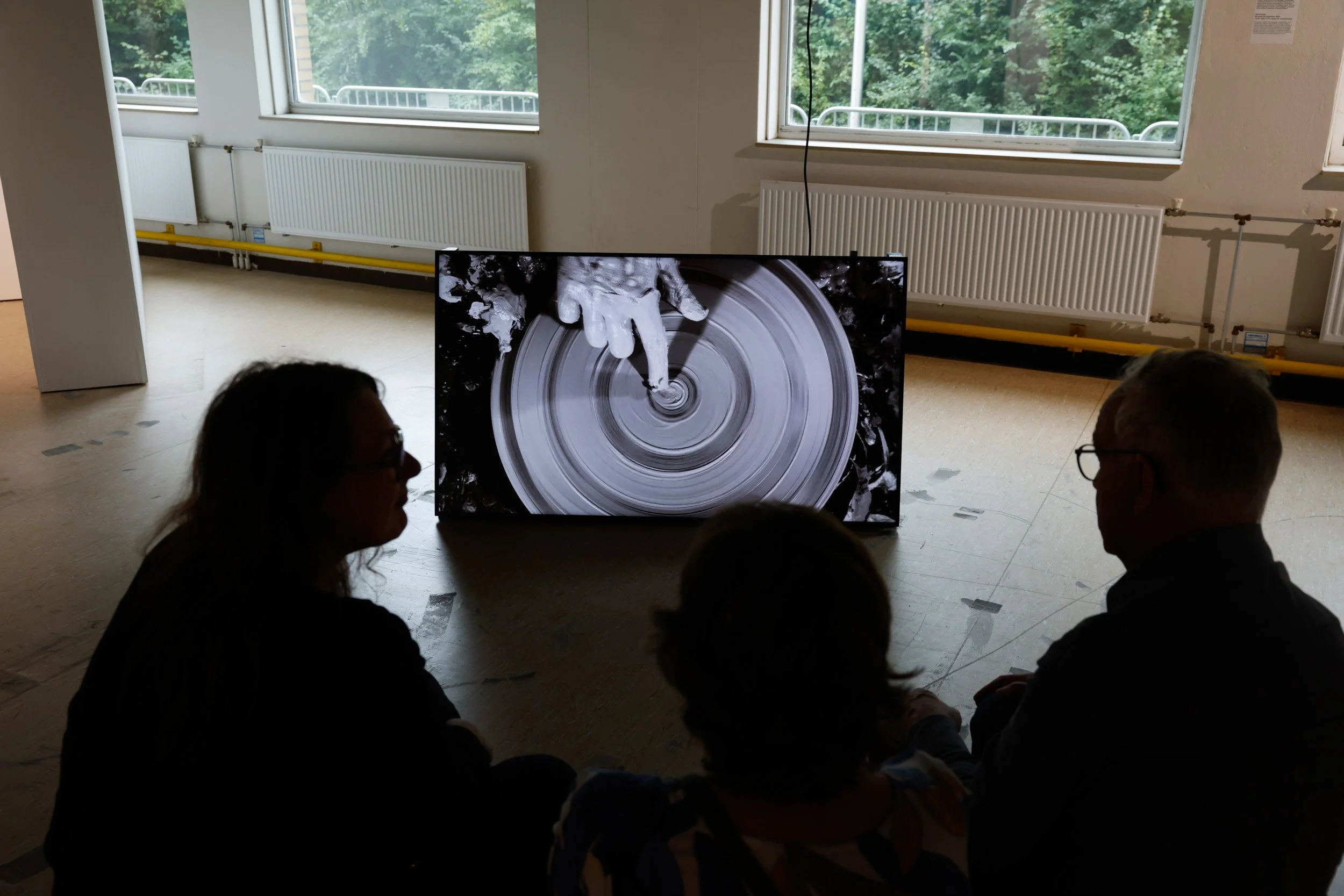
That definitely has some beautiful things to offer too. Kiki Mager's film fit the theme perfectly: in '5000times' she dissects the invisible labour behind smartphones, tablets and laptops. Using footage from factory floors, Mager beautifully maps out the hand movements workers repeat thousands of times a day. A single photograph of the battered hands of analogue photographer Sally Mann, shot by Koos Breukel, is at least as intriguing. As are the restless hands of talking politicians, photographed by Paul Kooiker.
But does it inspire you to do more with your own hands?
Not really.
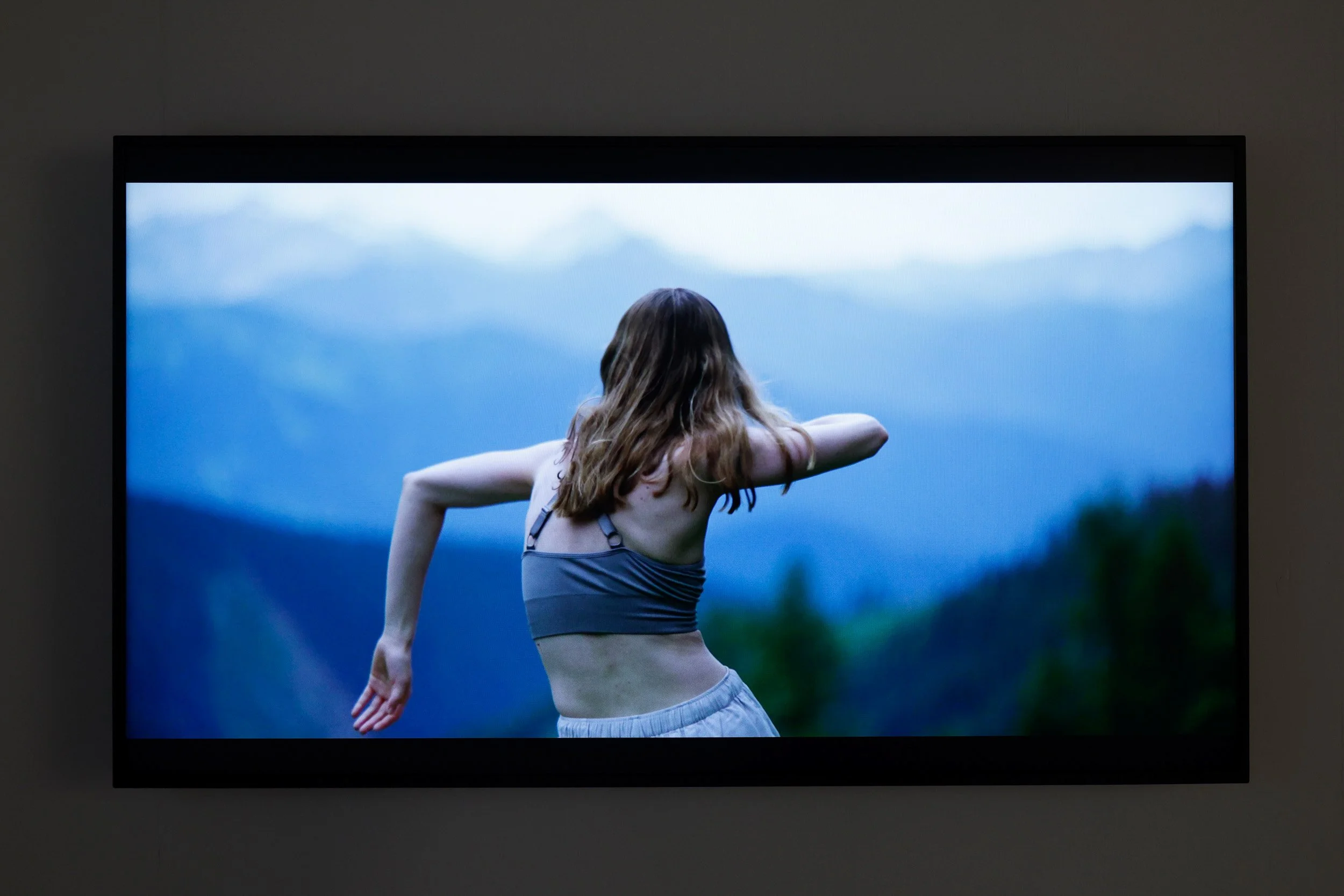
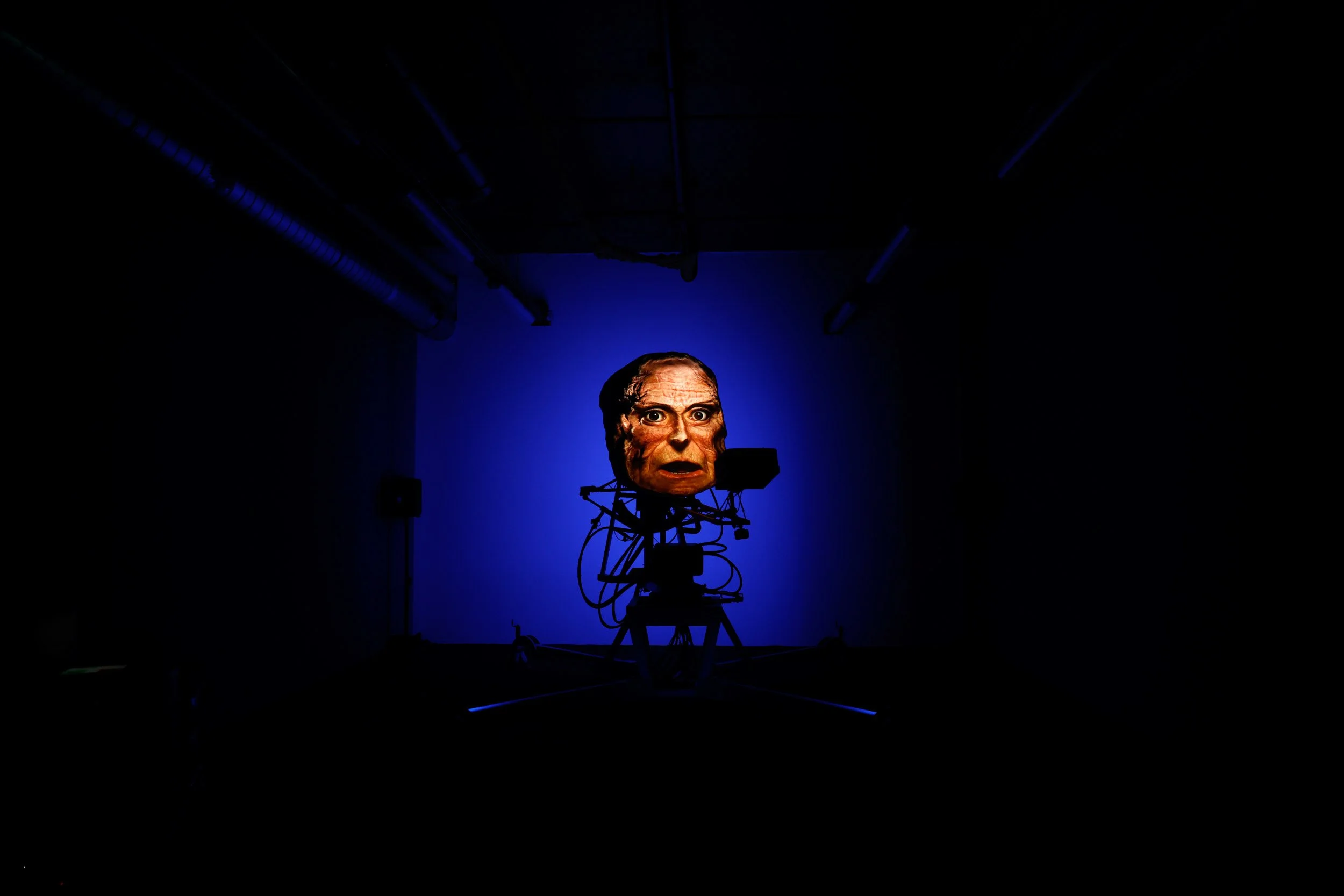
And however much of a fan I am of photographer Robin de Puy's work, 'Signpost' — with films of people dancing or singing on melting glaciers — didn't quite rhyme with the theme for me. There's also a striking amount of work by Blommers & Schumm on show, but one or two series instead of at least five might have been a better fit. 'Requiem for an Exit', the enormous moving robot head with no body or even hands, by Frode Oldereid & Thomas Kvam, is impressive and mildly unsettling in itself, but has no clear link to the theme either. The 'BullBear Dynamics' video projections on Kévin Bray's 3D-printed sculpture? Vague. Chelsi Alise Cocking's light installation, 'Illuminate'? Didn't work. All in all, a striking amount of moving image, when you'd expect photography to take centre stage. In short, a missed opportunity for such a beautiful theme.
Is it still worth a visit, though?
Absolutely, go see it for yourself. Of course it's easy to snipe from the sidelines. And after the — otherwise very kind and personal — rejection from Noorderlicht's enthusiastic director, Roosje Klap, I'm perhaps just a tiny bit more critical of this particular exhibition. The design and presentation, by the way, are excellent.
But suppose you had been the curator, together with Roosje Klap. What would you have shown?
Well, if you're going to take the trouble to write good accompanying texts for children at the exhibition, why not also set up a corner where they can make things themselves under expert guidance — photo collages, for instance. Personally, I find the photo collages of Alma Haser or Susana Blasco, for example, fantastic. I would have shown the finely tuned stop-motion films of Tomohiro Okazaki, which he posts daily on Instagram. Or the clever cut-outs of Kensuke Koike. The exceptionally creative, illustrative portrait photography of Aisha Zeijpveld. Or the embroidered photographs of Jackie Mulder and the textile art of Dagmar Stap. And secretly, I would have loved to exhibit something of my own there too.
What isn't yet can still come.
Who knows — and I certainly don't regret applying. I still find it an incredibly compelling theme that inspires and occupies me daily. I’ve been busy creating new work that grew out of that same idea. More on that soon!
De tentoonstelling die ik zelf had willen cureren
Sterker nog, ik heb eind vorig jaar daadwerkelijk gesolliciteerd, om curator van deze expositie te worden.
Heb je dan ervaring met het cureren van tentoonstellingen?
Uh, nou nee. Maar het thema 'Thinking hands' sprak me zo sterk aan, dat ik de kans niet aan mij voorbij wilde laten gaan. De laatste jaren komt mijn werk hoe langer hoe meer tot stand door mijn ‘Thinking hands’. In de vorm van 3D foto-assemblages, fysiek bewerkte foto’s, cyanotypes en fotopolymeren.
Maar, niet gelukt dus?
Nee, jammer genoeg niet.
OK, vertel verder, waar gaat die expositie nou over?
De nieuwe expositie van Noorderlicht (12 September - 1 November 2026), getiteld ‘Thinking hands’, gaat over de kennis die in ons lichaam zit. In het maken, het aanraken en het voelen. Kennis die je niet zomaar in data of in een computer kunt stoppen. Wat weet het lichaam wat je hoofd niet weet?
Tja, gegeven mijn werk en achtergrond snap je nu waarschijnlijk wel dat dat mij nogal aansprak. En dus ook dat ik natuurlijk reuze benieuwd was naar wat men er nu van had gemaakt. Ik had – wat je noemt – hoge verwachtingen. Maar zoals dat dikwijls gaat met hooggespannen verwachtingen: die worden zelden waargemaakt. Zo ook hier.
Jammer. Was er dan niks goed aan?
Zeker wel! De opening van de expositie van Noorderlicht werd gecombineerd met de opening van Thea: Een nieuwe plek in het culturele centrum van Niemeyer in Groningen, waar beeldende kunst, technologie en maatschappij samen komen. En waar die AI fabriek uiteindelijk ook een plekje krijgt.
Klinkt feestelijk.
Ja, het ging gepaard met het nodige spektakel: o.a. champagne, imponerend tromgeroffel, een vlotte presentator, poëzie, een sierlijk dansoptreden van de nieuwe kinderdirecteur van Noorderlicht, en een danseres die op elegante wijze op een rond podium bewoog en met uiteindelijk drie digitale kopieën van haarzelf danste. Best wel vet.
En ‘Thinking hands’ zelf?
Ook dat heeft beslist mooie dingen te bieden. De film van Kiki Mager paste uitstekend bij het thema: in ‘5000times’ ontleedt ze de onzichtbare arbeid achter smartphones, tablets en laptops. Op basis van beelden uit fabriekshallen bracht Mager heel fraai de handbewegingen in kaart die arbeiders duizenden keren per dag herhalen. Een enkele foto van de gehavende handen van analoog fotograaf Sally Mann, gefotografeerd door Koos Breukel is minstens zo intrigerend. Net als de beweeglijke handen van pratende politici, gefotografeerd door Paul Kooiker.
Maar inspireert het om zelf meer met je handen te gaan doen?
Niet echt.
En hoezeer ik ook fan ben van het werk van fotograaf Robin de Puy, ‘Signpost’ – met films van dansende of zingende mensen op smeltende gletsjers – kon ik minder goed rijmen met het thema. Er is verder opvallend veel werk van Blommers & Schumm te zien, maar één of twee series in plaats van minstens vijf was wellicht passender geweest. ‘Requiem for an Exit’, het enorme, bewegende robothoofd zonder lijf of zelfs maar handen, van Frode Oldereid & Thomas Kvam, is op zich imponerend en licht verontrustend, maar heeft verder ook geen duidelijke link met het thema. De ‘BullBear Dynamics’ videoprojecties op de 3D-geprinte sculptuur van Kévin Bray? Vaag. De lichtinstallatie van Chelsi Alise Cocking, ‘Illuminate’? Werkte niet. Al met al opvallend veel bewegend beeld, terwijl je zou verwachten dat fotografie toch de boventoon zou moeten voeren. Kortom, een gemiste kans voor de invulling van zo’n prachtig thema.
Is het de moeite van een bezoek dan wel waard?
Zeker wel, ga vooral zelf kijken.
Het is natuurlijk ook makkelijk schieten vanaf de zijlijn. En na de overigens zeer vriendelijke en persoonlijke afwijzing van de enthousiaste directeur van Noorderlicht, Roosje Klap, ben ik heel misschien een heel klein beetje kritischer over deze specifieke expositie. Waarvan de vormgeving en presentatie overigens uitstekend is.
Maar stel dat jij de curator wel was geweest, samen met Roosje Klap. Wat had je dan laten zien?
Nou, als je de moeite neemt om voor kinderen goede begeleidende teksten te schrijven voor de tentoonstelling, maak dan ook een hoek waar ze zelf onder deskundige begeleiding bijvoorbeeld fotocollages kunnen maken. Zelf vind ik de fotocollages van Alma Haser of Susana Blasco bijvoorbeeld fantastisch. Ik had de uitgekiende stop motion filmpjes van Tomohiro Okazaki laten zien, die hij dagelijks op instagram post. Of de knappe knipsels van Kensuke Koike. De buitengewoon creatieve illustratieve portretfotografie van Aisha Zeijpveld. Of de geborduurde foto’s van Jackie Mulder en de textielkunst van Dagmar Stap. Stiekem had ik er zelf ook wel willen exposeren.
Wat niet is, kan nog komen.
Wie weet, ik heb ook zeker geen spijt van mijn sollicitatie. Ik vind het nog steeds een zeer aansprekend thema dat me dagelijks inspireert en bezig houdt. Ik ben druk bezig met nieuw werk dat voortkomt uit diezelfde gedachte. Daarover binnenkort meer!