In Search of the Right Form: On the New Direction of the Groninger Museum
Well, listen, I don't want to keep playing the art critic here, because who am I?!
But this concerns a museum I've probably visited more often than any other in my life. It is a museum closely tied to the city of Groningen. And because I feel strongly connected to both the city and the museum, I hold them both dear. That's why I can't help voicing an opinion about it. And unfortunately, it isn't a positive one.
The museum in question is the Groninger Museum. First, some context. A year ago, serious concerns were raised about the museum's financial health. It also lacked a clear artistic direction. Fortunately, the municipality stepped in earlier this year, and a new artistic director was appointed: Roos Gortzak. She came from the Vleeshal, the centre for contemporary art in Middelburg, where her headline-making exhibitions drew international attention.
Last month, her new vision for the Groninger Museum was presented with no fewer than four new exhibitions opening at the same time. In various media appearances, Gortzak declared that the era of blockbusters was over (out of necessity). Think of the many successful shows, such as Anton Corbijn (69,000 visitors), Andres Serrano (89,000 visitors), Ilya Repin (256,000 visitors), Russian Fairy Tales, Folk Tales and Legends (140,000 visitors), David Bowie (200,000 visitors), and Daan Roosegaarde (180,000 visitors). That last hit was already seven years ago. After the crises of recent years (including the costly Rolling Stones exhibition, which fell through because of the corona crisis), it was high time to clean house.
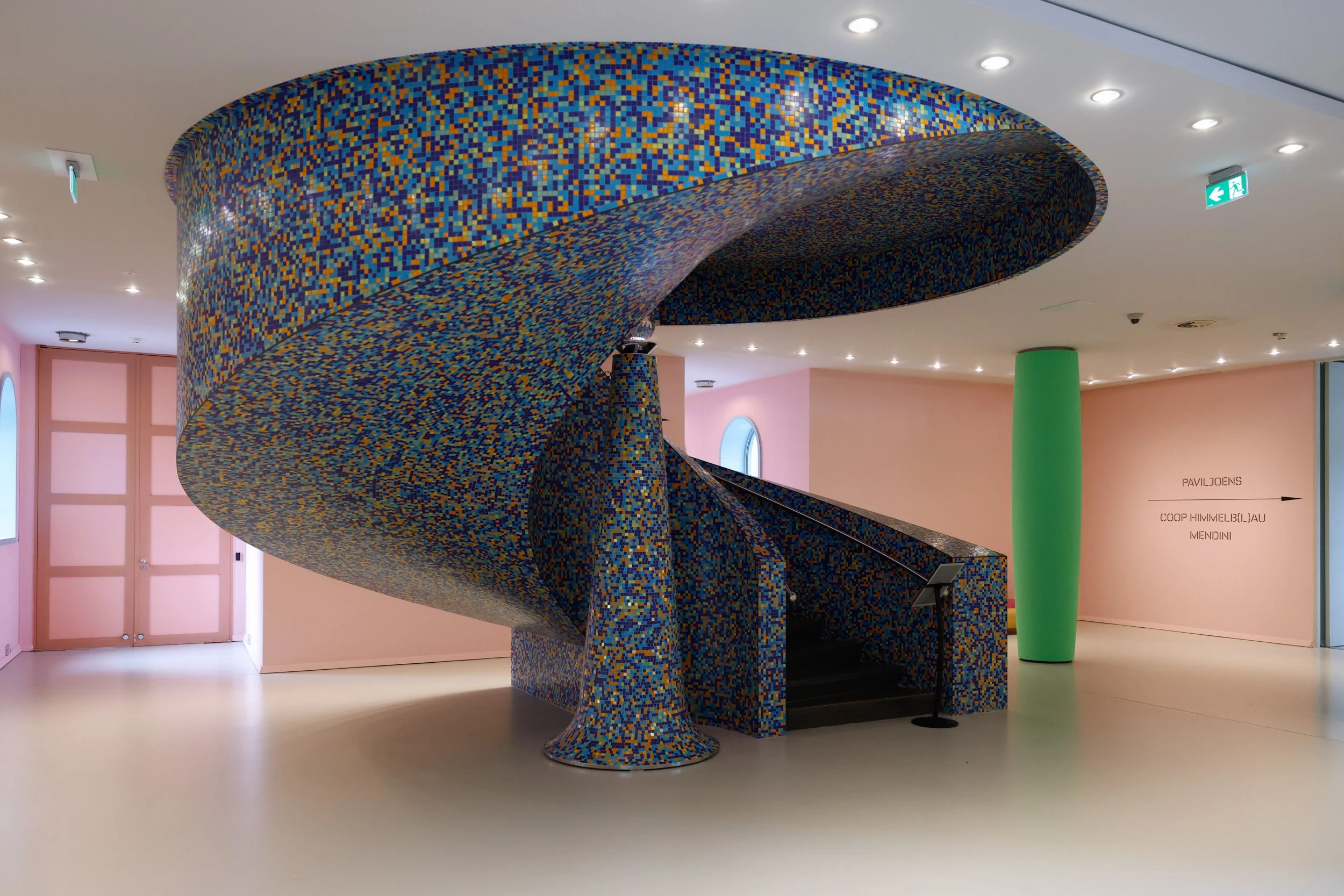
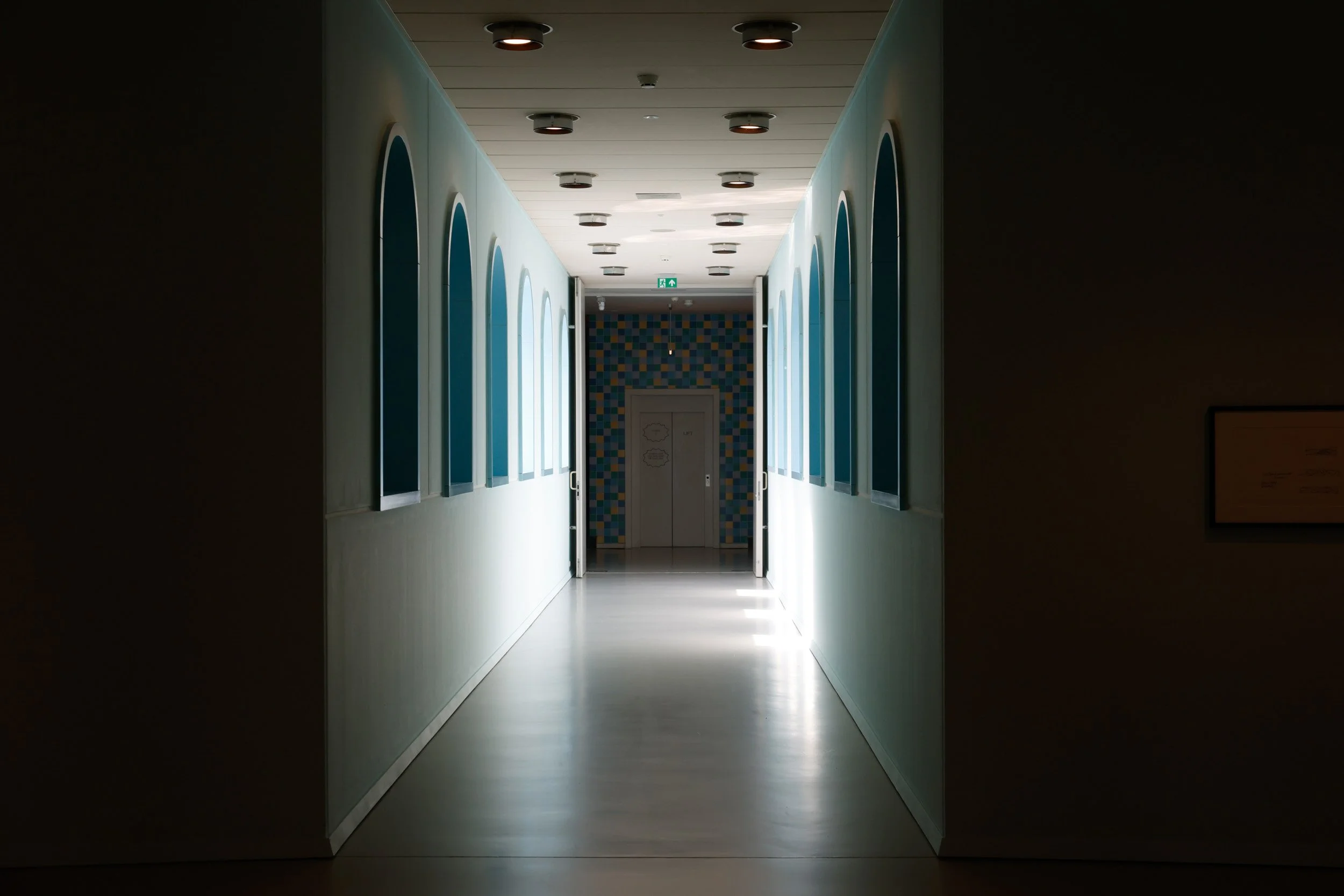
Gortzak did so by restoring the still spectacular 1994 building to its original layout, including the bold colour palette on the walls. A good plan, nothing wrong with that. One of the current exhibitions has the subtitle 'Cleaning the house, building the future'. The first part has succeeded; the second, in my view, not yet. The new course was meant to be young, playful and experimental, raising the big questions of our time. Also a good plan, but unfortunately it comes across far less convincingly.
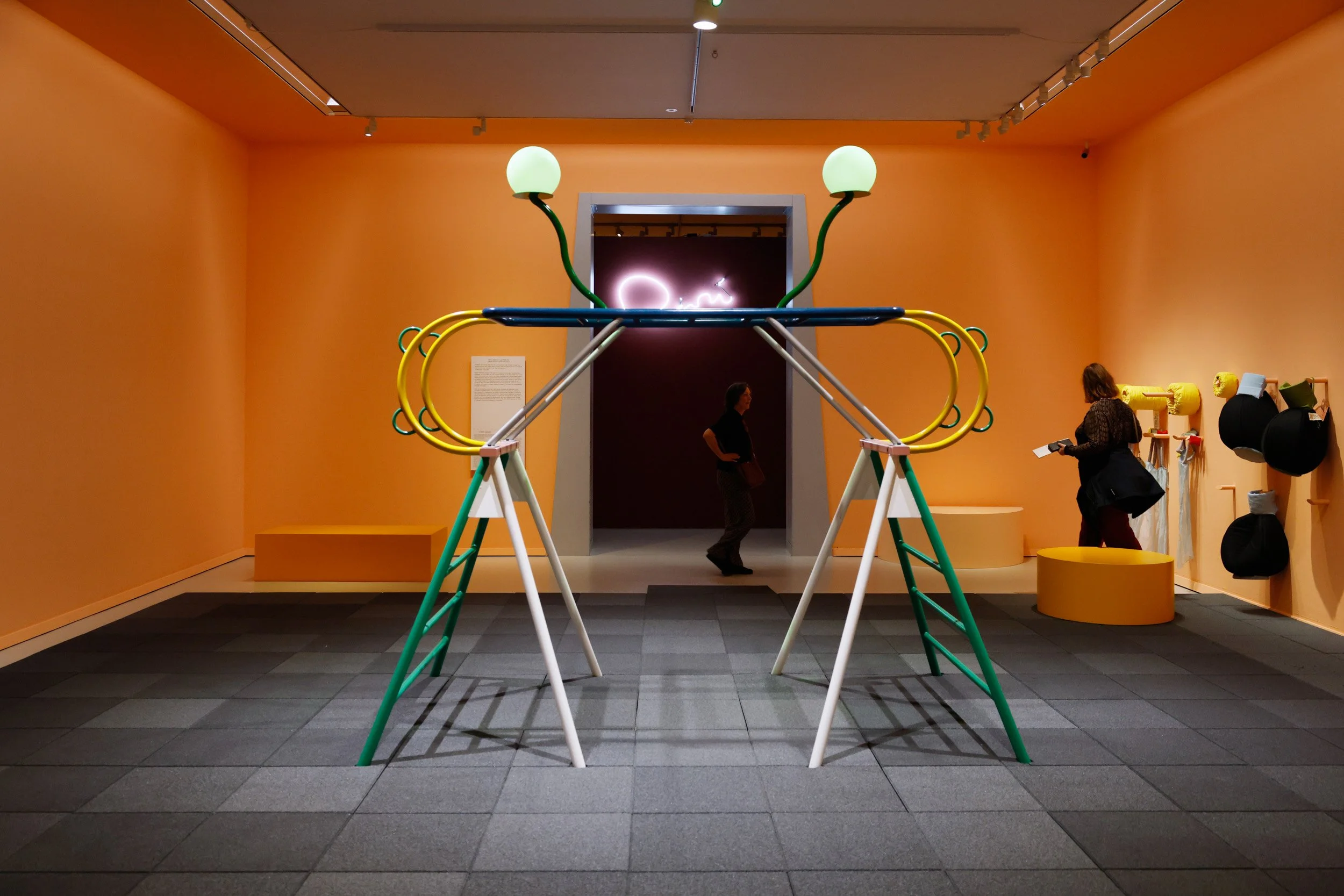
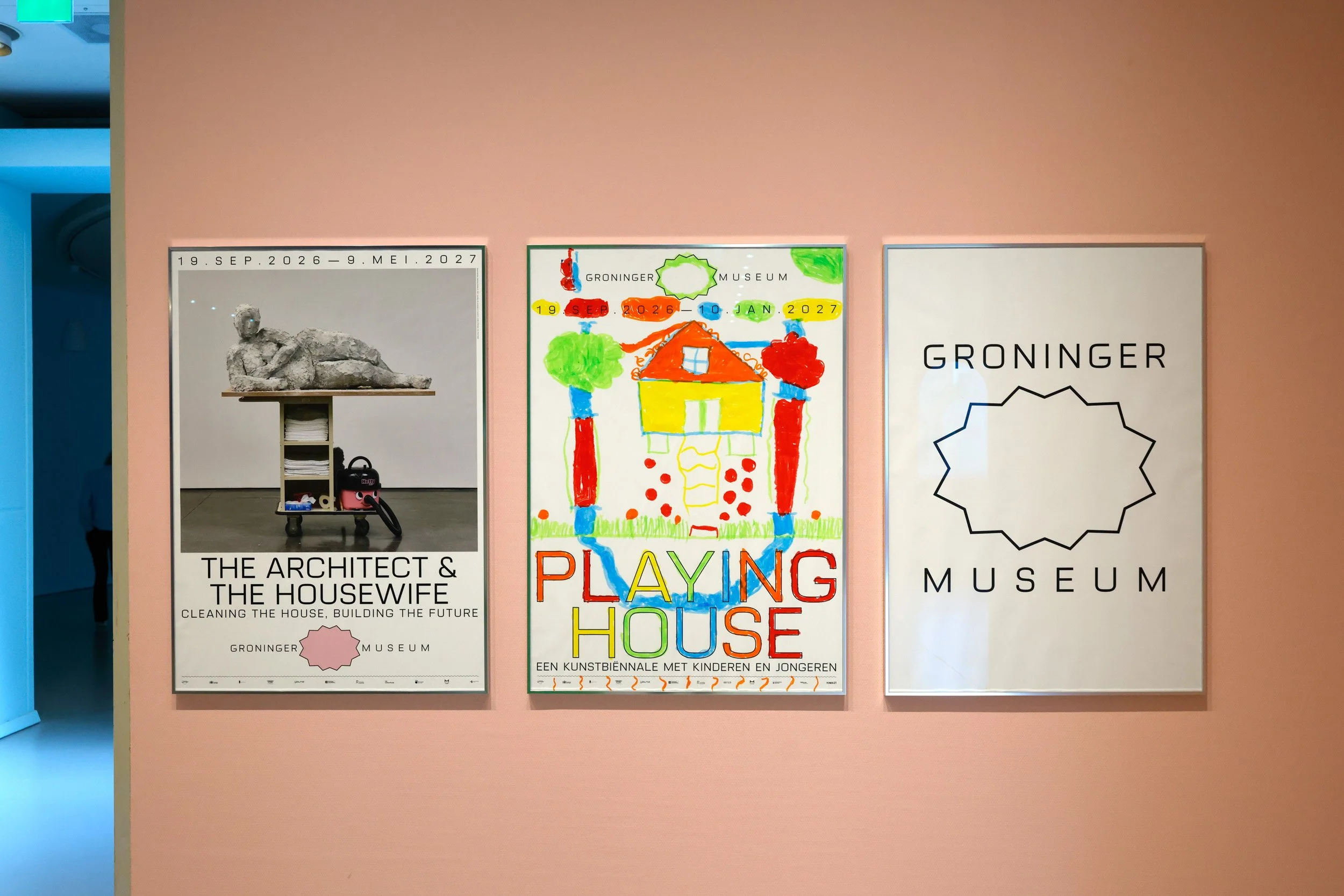
A glance at the posters for the four exhibitions already gives it away: it looks remarkably empty and fragmented. And far from modern and innovative. There are certainly interesting things to see. The well-known works of De Ploeg, the elegant work of Philippe Starck, some interesting (but relatively small) photographs and collages. And there are a few genuinely interesting ideas, such as the tension between everyday reality (household chores) in an artist's life and the actual making of art. But it isn't presented clearly, engagingly, consistently and invitingly. A single climbing frame you're allowed to climb on, or a theatre where visitors can dress up, doesn't automatically make it playful. Whereas the Children's Biennials of a few years ago and the Daan Roosegaarde exhibition certainly were. Nowhere was I really moved or surprised. And what is shown often simply gets a bit lost in the grandeur of the building. A bit like what the museum's new logo unintentionally shows: a white emptiness framed by a jagged edge. To be constructive, though: how should it be done?
Well, for example the way Museum Voorlinden does it. That private museum may have a larger budget to spend, but the playfulness that springs from its simple (and relatively affordable) ideas is fantastic and wonderfully contagious. Take the room by Martin Creed, with hundreds of balloons that you can't walk through without a huge grin on your face. Or Leandro Erlich's photogenic swimming pool. And then there are Ron Mueck's sculptures, which truly know how to move you.
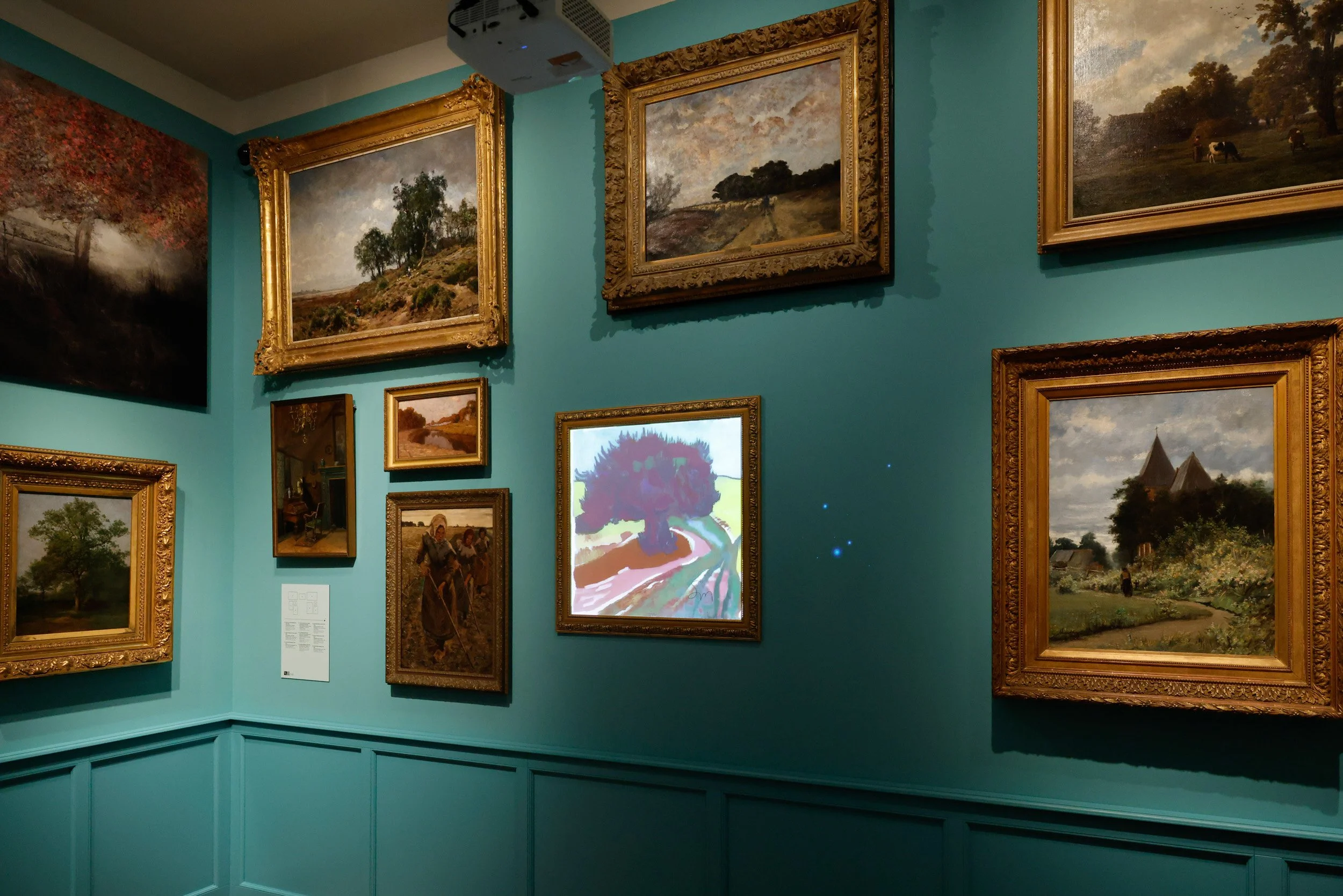
Or closer to home: the Drents Museum in Assen. After the theft of the rare golden helmet of Coțofenești last year, it hasn't exactly had an easy time either. Like the Groninger Museum, it also has an enormous variety of art in its collection, which, I imagine, is quite hard to unite within one museum. Yet it succeeds remarkably well.
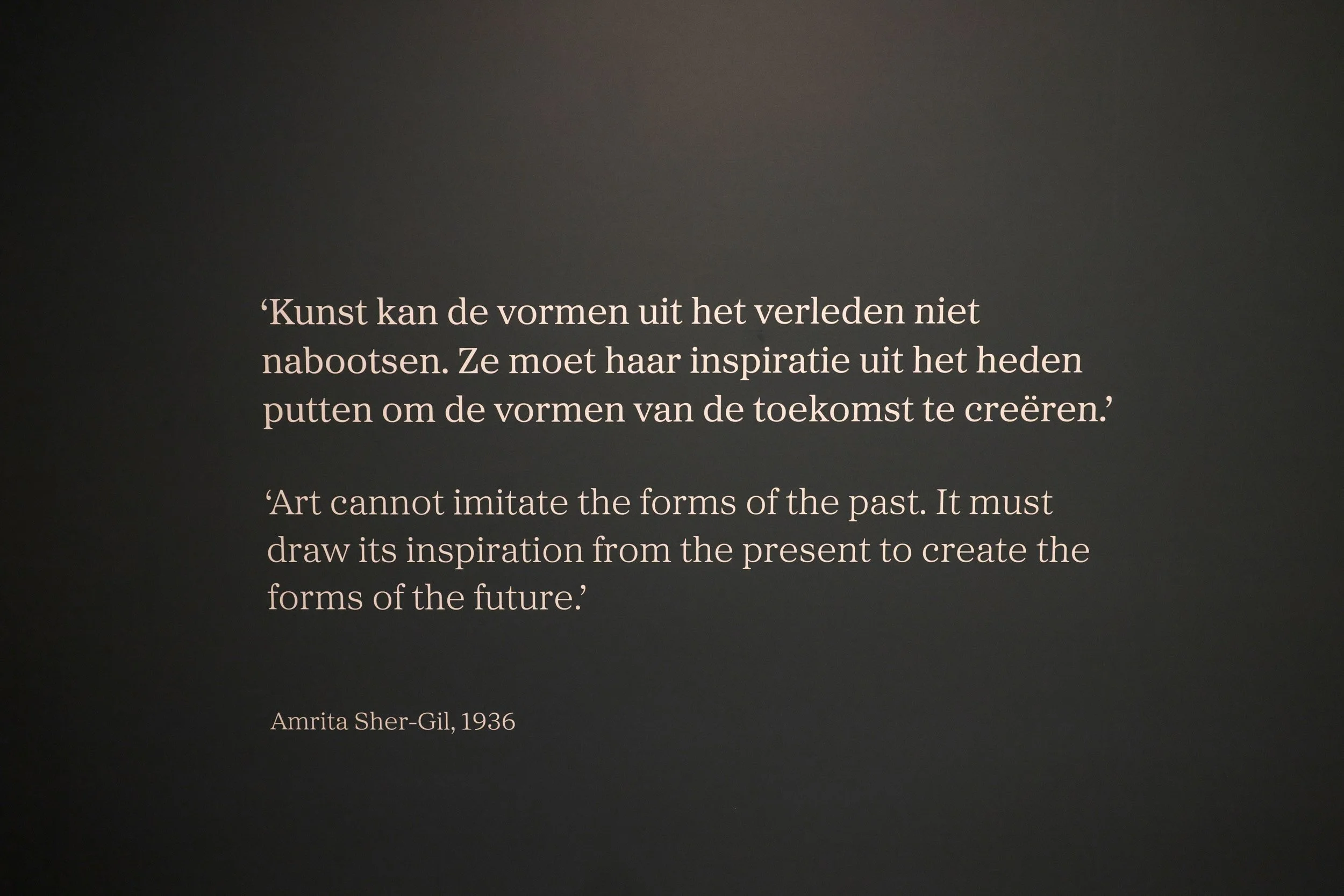
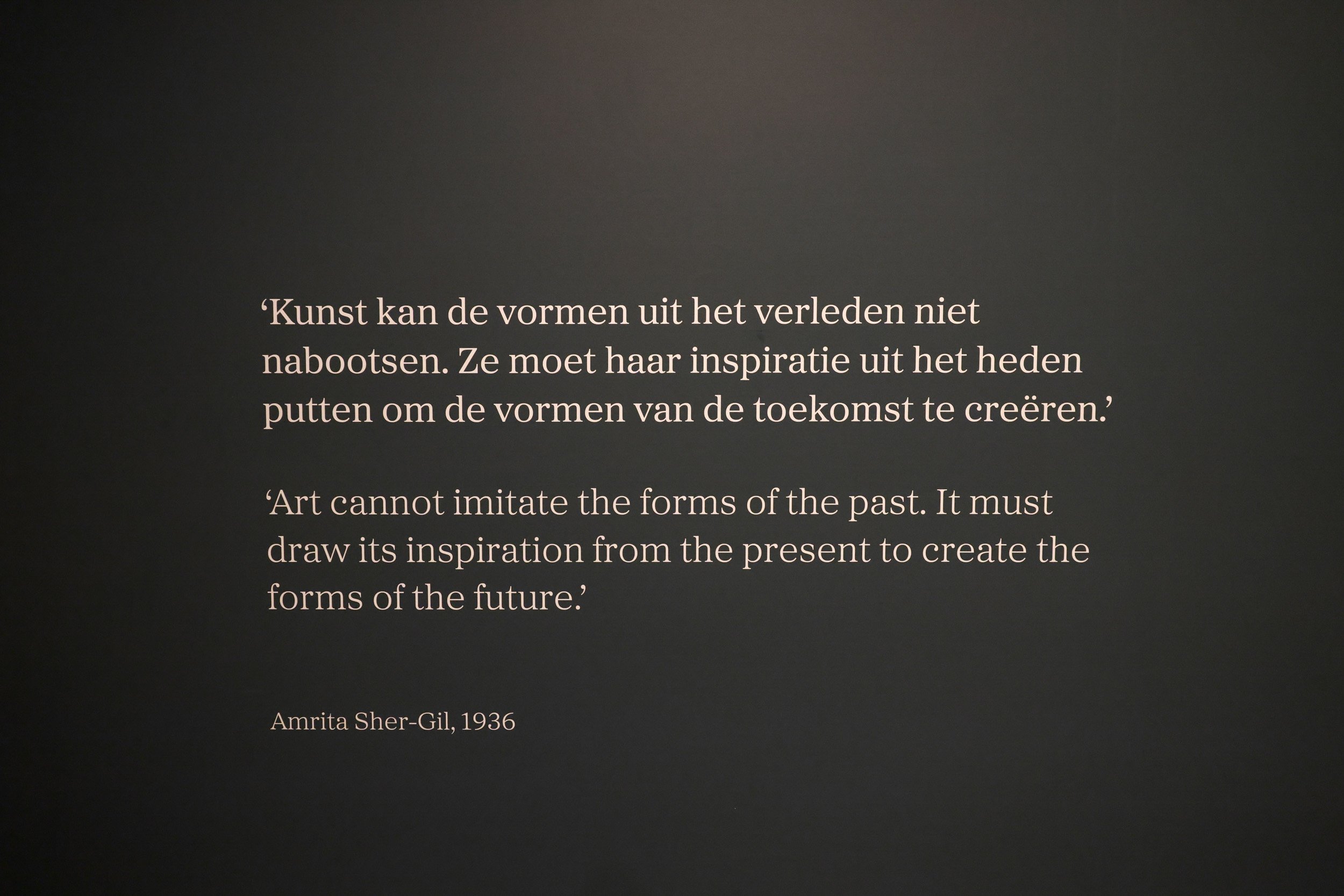
In the 15 rooms of Labyrinthia, for instance, it shows a wonderful mix of art objects and artefacts from prehistory to the present. In an accessible way, you can create your own Van Gogh and then actually see it hanging on the wall. With ingenious projections, you can row through prehistoric settlements or hunt a mammoth together. The largest dollhouse in the country comes to life in a relatively simple way thanks to excellent actors who speak to you through the wall mirrors. And the recent exhibition on Amrita Sher-Gil, the self-proclaimed Picasso of India, was presented with good, accessible text and explanation as well as playful audiovisual installations. Without seeming artificial or contrived, it simply works.
I hope that such a proven approach will soon be followed in Groningen too, without losing its unique identity. The city and the museum have a lot to offer. But I doubt the path now chosen will attract 200,000 visitors a year. Time will tell. Besides, who am I to say? Do go and see for yourself!
Op zoek naar de juiste vorm:
over de nieuwe koers van het Groninger Museum
Ja, hoor eens, ik wil hier niet steeds de kunstcriticus uithangen, want wie ben ik?!
Maar het betreft hier een museum waar ik in mijn leven denk ik het vaakst tot nu toe ben geweest. Het is een museum dat sterk verbonden is met de stad Groningen. En omdat ik mij met zowel de stad als het museum sterk verbonden voel draag ik beide dan ook een warm hart toe. Daardoor kan ik het niet nalaten er een mening over te ventileren. En die is helaas niet positief.
Het gaat dus om het Groninger Museum. Eerst even wat context. Een jaar geleden klonken er ernstige zorgen over de financiële gezondheid van het museum. Bovendien miste het een duidelijke artistieke koers. De gemeente sprong eerder dit jaar gelukkig bij en er werd een nieuwe artistiek directeur aangetrokken: Roos Gortzak. Ze vertrok daarvoor bij de Vleeshal, het centrum voor hedendaagse kunst in Middelburg, waar ze met spraakmakende tentoonstellingen internationale belangstelling trok.
Afgelopen maand werd haar nieuwe visie voor het Groninger Museum gepresenteerd met maar liefst vier gelijktijdige nieuwe exposities. In diverse media-optredens verkondigde Gortzak dat de tijd van blockbusters (noodgedwongen) voorbij was. Denk daarbij aan de vele succesvolle expo’s zoals van Anton Corbijn (69.000 bezoekers), Andres Serrano (89.000 bezoekers), Ilja Repin (256.000 bezoekers), Russische Sprookjes, volksverhalen en legenden (140.000 bezoekers), David Bowie (200.000 bezoekers), en Daan Roosegaarde (180.000 bezoekers). Die laatste klapper was alweer zeven jaar geleden. Na de crises van de afgelopen jaren (waaronder de dure Rolling Stones tentoonstelling die door de coronacrisis in het water viel) was het dus hoog tijd om schoon schip te maken.
Dat deed Gortzak door het nog steeds spectaculaire gebouw uit 1994 in de oorspronkelijke opzet terug te brengen, waaronder het bonte kleurenpalet op de muren. Prima plan, niks mis mee. Een van die lopende tentoonstellingen heeft de ondertitel ‘Cleaning the house, building the future’. Het eerste deel is gelukt, het tweede deel wat mij betreft nog niet. De nieuwe koers moest weer jong, speels en experimenteel zijn, die de grote vragen van de tijd aan de orde moet stellen. Ook een prima plan, maar het komt helaas een stuk minder goed uit de verf.
Een blik op de affiches van de vier tentoonstellingen verraadt het eigenlijk al: het oogt opvallend leeg en gefragmenteerd. En verre van modern en innovatief. Er zijn heus wel interessante dingen te zien. De bekende werken van De Ploeg, het elegante werk van Philippe Starck, wat interessante (maar relatief kleine) foto’s en collages. En er zijn ook echt wel een paar interessante ideeën, zoals de spanning tussen de alledaagse realiteit (huishoudelijke klussen) in het leven van de kunstenaar en het daadwerkelijk maken van de kunst. Maar het wordt niet helder, aansprekend, consistent en uitnodigend gepresenteerd. Met één enkel klimtoestel waar je op mag klimmen of een theater waar bezoekers zich mogen verkleden wordt het niet automatisch speels. Terwijl de kinderbiënnales van een paar jaar geleden en de expositie van Daan Roosegaarde dat beslist wel waren. Nergens werd ik echt geraakt of verrast. En wat er getoond wordt valt vaak gewoon een beetje weg in de grandeur van het gebouw. Een beetje wat het nieuwe logo van het museum onbedoeld laat zien: een witte leegte ingekaderd door een gekartelde rand. Om toch vooral ook constructief te zijn: hoe moet het dan wel?
Nou bijvoorbeeld zoals Museum Voorlinden dat doet. Dat particuliere museum heeft wellicht een ruimer budget te besteden, maar de speelsheid die uit de simpele (en relatief betaalbare) ideeën voortkomt is fantastisch en enorm aanstekelijk. Zie bijvoorbeeld de zaal van Martin Creed, met honderden ballonnen waar je niet doorheen komt zonder een hele grote grijns op je gezicht. Of het fotogenieke zwembad van Leandro Erlich. En dan zijn er nog de beelden van Ron Mueck, die echt weten te ontroeren.
Of dichter bij huis: het Drents Museum in Assen. Dat heeft na de kunstroof van de zeldzame gouden helm van Coțofenești vorig jaar toch ook niet bepaald een makkelijke tijd achter zich. Daarnaast heeft het net als het Groninger Museum een enorme variëteit aan kunst in de collectie, wat zich, lijkt me, best lastig laat verenigen in één museum. Toch slaagt het daar opmerkelijk goed in.
Zo laat het in de 15 zalen van het Labyrinthia een wonderlijke mix van kunstobjecten en voorwerpen uit de prehistorie tot nu zien. Op een laagdrempelige manier kun je je eigen Van Gogh creëren en die vervolgens daadwerkelijk aan de muur zien prijken. Met vernuftige projecties kun je er al roeiend prehistorische nederzettingen verkennen of gezamenlijk een mammoet vangen. Het grootste poppenhuis van het land komt op een relatief simpele manier echt tot leven door de uitstekende acteurs die je via de wandspiegels toespreken. En ook de recente tentoonstelling over Amrita Sher-Gil, de zelfverklaarde Picasso van India, werd met goede, toegankelijke tekst en uitleg alsook speelse audiovisuele installaties gepresenteerd. Zonder kunstmatig en gekunsteld over te komen werkt het gewoon.
Ik hoop dat zo’n bewezen aanpak ook in Groningen snel navolging krijgt, zonder de unieke eigen identiteit te verliezen. De stad en het museum hebben een hoop te bieden. Maar het lijkt me sterk dat de ingeslagen weg jaarlijks 200.000 bezoekers gaat trekken. De tijd zal het leren. Bovendien: wie ben ik? Ga vooral zelf kijken!