Whether it's Dan Brown's The Secret of Secrets, the Netflix series The Beast in Me, or the play God of Carnage, fiction forces you to temporarily step into someone else's shoes.
You experience the world from a perspective that isn't your own, without any real consequences. It helps us develop our capacity for empathy. And that's sorely needed in a world full of political, economic and military violence that we encounter every day through (social) media.
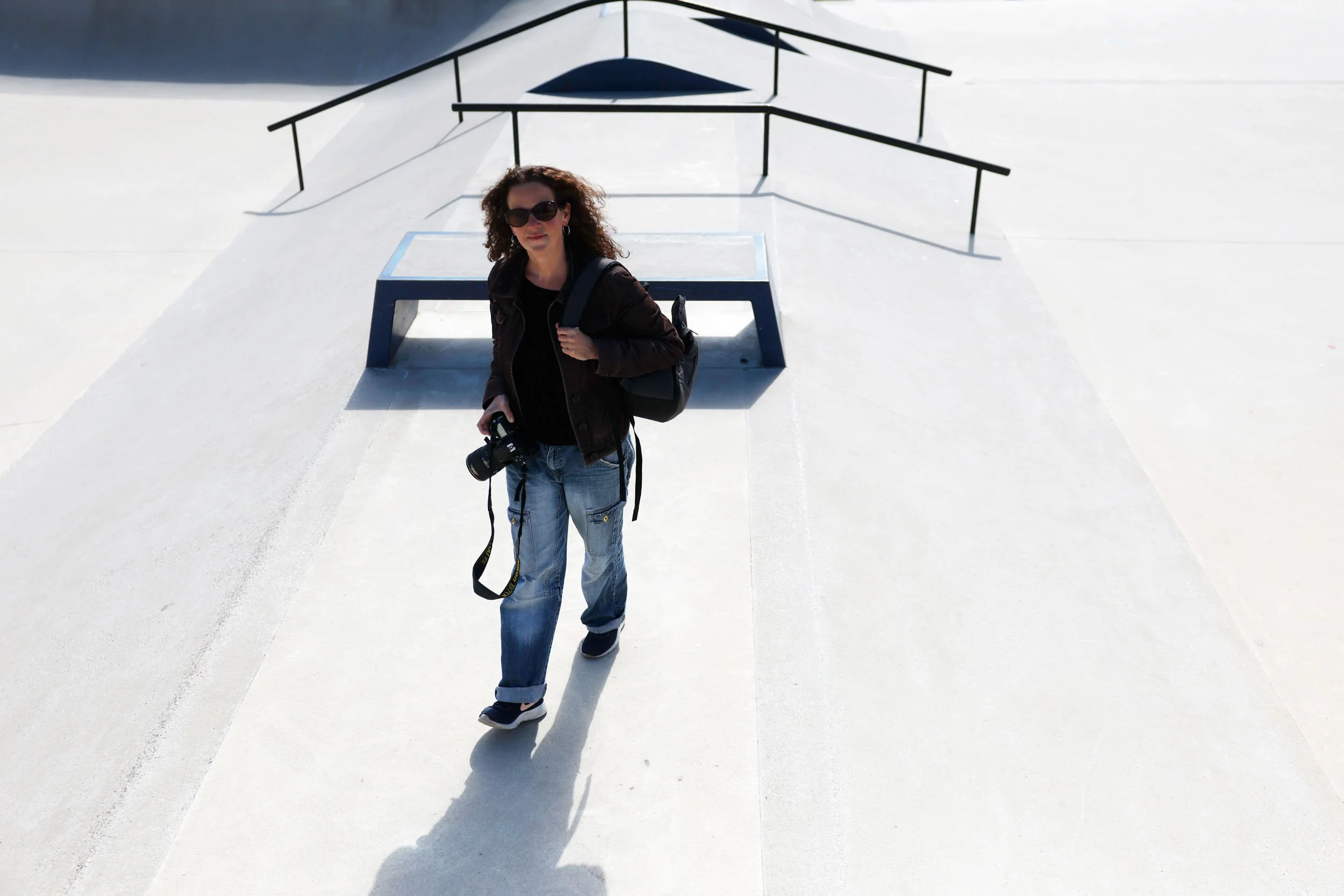
But fiction isn't the only way to develop empathy. Last week, Amber Beckers and I visited Martin Parr’s work in Foam, as well as the World Press Photo exhibition at the Nieuwe Kerk in Amsterdam. World Press Photo is typically filled with death and destruction. Yet even in the darkest circumstances, there is often still beauty, hope and empathy to discover.
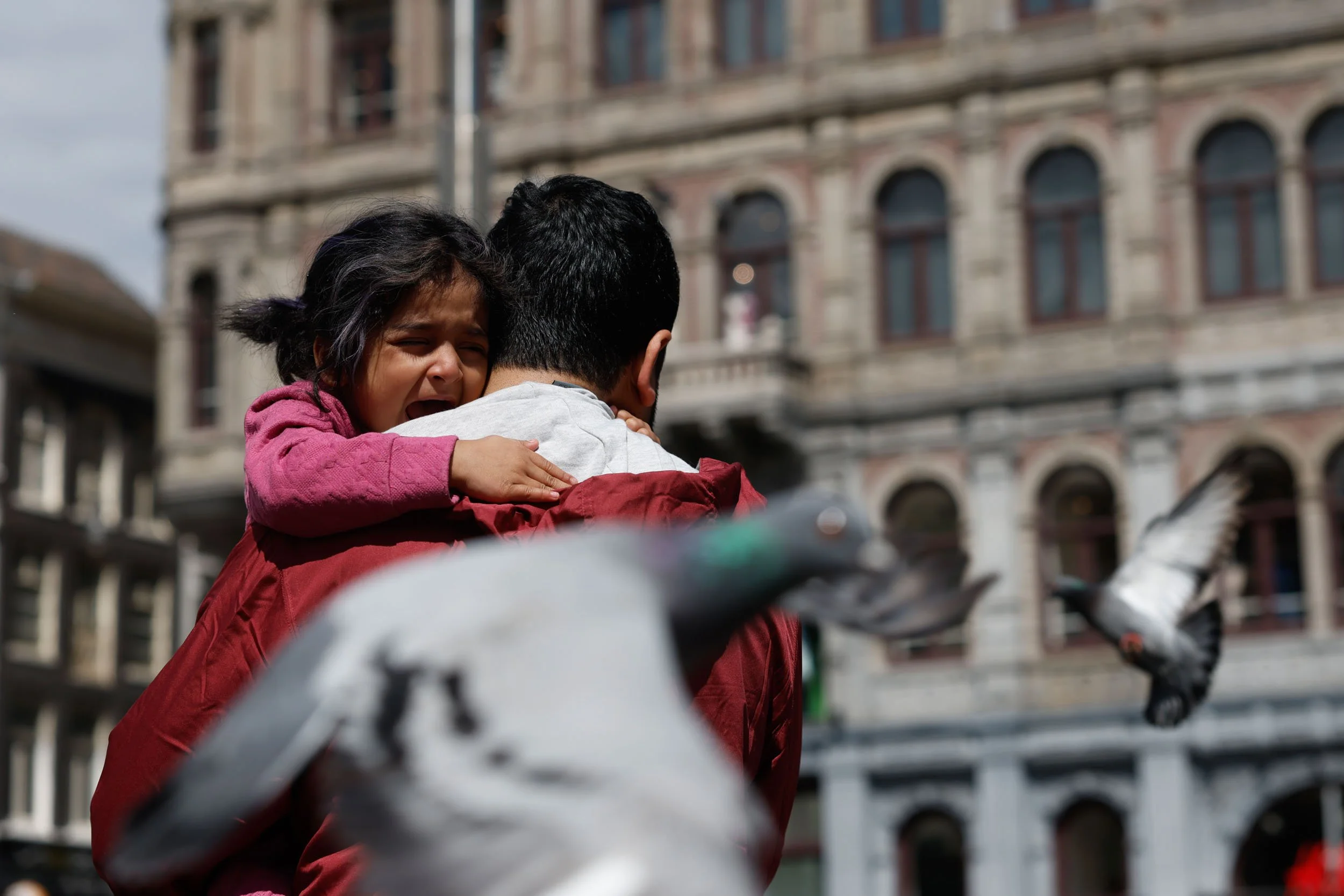
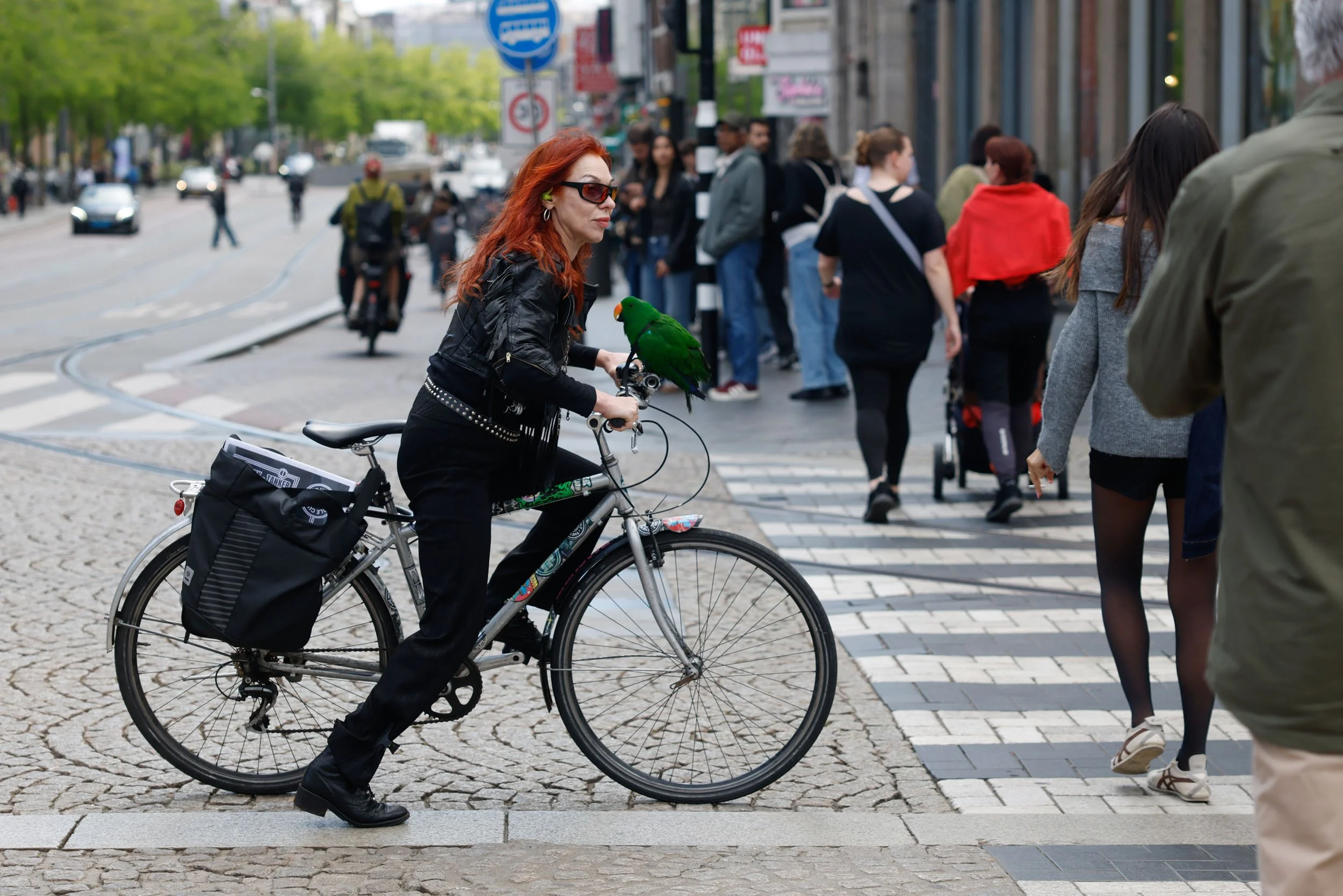
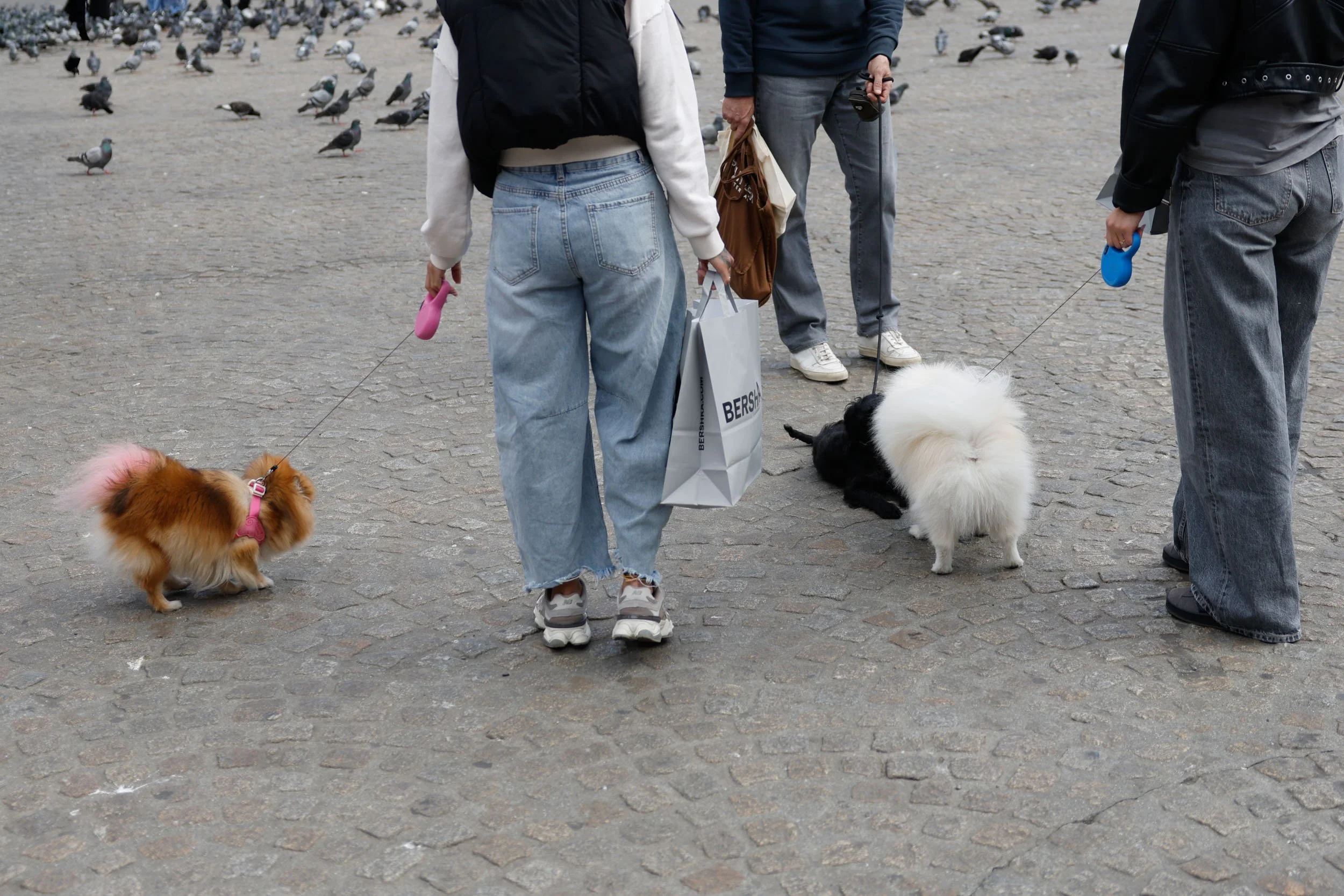
Martin Parr, too, confronts you with people and situations you would normally look away from: greasy chips, whining children, holidaymakers on a cluttered beach. He isn't so much searching for conventional beauty on the streets, but for absurdity, kitsch, and the unintentionally funny. Yet his work also carries a genuine affection. He laughs with his subjects, not purely at them.
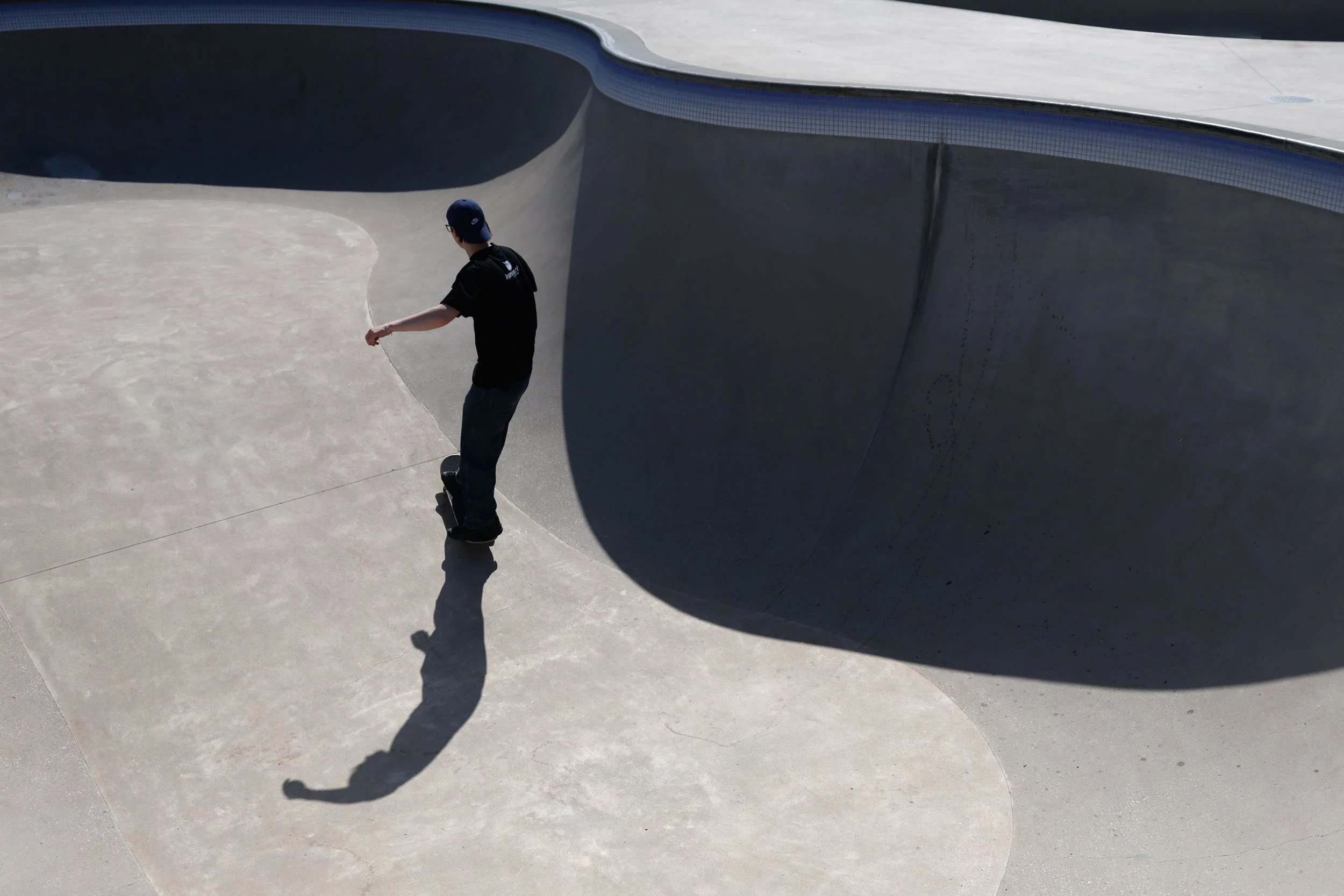
It invites you to pause and truly look.
So we did.
Over het nut van fictie
Of het nu Het Ultieme Geheim van Dan Brown is, de Netflixserie The Beast in Me, of toneelstuk De God van de Slachting, fictie dwingt je om tijdelijk in de huid van iemand anders te kruipen.
Je ervaart de wereld vanuit een perspectief dat niet het jouwe is, zonder dat daar echte consequenties aan vastzitten. Het helpt ons om het vermogen tot empathie te ontwikkelen. En dat is hard nodig in een wereld vol politiek, economisch en militair geweld dat we elke dag door de (social) media ervaren.
Maar empathie ontwikkel je niet alleen via fictie. Afgelopen week bezocht ik samen met Amber Beckers zowel de tentoonstelling van Martin Parr in Foam als de World Press Photo tentoonstelling in de Nieuwe Kerk in Amsterdam. Zoals elk jaar zit ook deze editie vol dood en verderf. Maar zelfs in de grootste ellende is er toch vaak ook esthetiek, hoop en empathie te ontdekken.
Ook Martin Parr confronteert je met mensen en situaties waarbij je normaal gesproken wegkijkt: patatjes oorlog, jengelende kinderen, de vakantieganger op een rommelig strand. Hij zoekt niet zozeer de conventionele schoonheid op straat, maar de absurditeit, de kitsch, het onbedoeld grappige. Toch zit er in zijn werk ook een echte affectie. Hij lacht met zijn onderwerpen, niet puur om ze. Dat maakt het meer dan spot.
Het nodigt je uit om even stil te staan en echt goed te kijken.
Dat deden we dus.
Click to enlarge