“There are always two people in every picture: the photographer and the viewer.”
Whoever takes a photograph is really saying: this is what I saw, and it was worth holding on to. That statement almost automatically calls for a listener. A photo that sits on a hard drive is, in effect, not quite finished. Only when someone else looks at it does something happen that the photographer cannot bring about alone: the images start to lead a life of their own.
A photograph is half the story of the maker and half that of the person looking. That is exactly what Ansel Adams was referring to. Every viewer brings their own memories and associations. Showing your work is therefore also a way of learning: you discover what your image evokes, and often it is something other than what you intended. That insight is valuable precisely because you could not see it yourself.
It is also a way of finding connection. Photography is a language without words, yet it invites conversation. Those who show their work are often looking for kindred spirits: people who notice the same things, the same stillness, the same absurdity.
Whether it’s the spectacular landscape of Madeira, a street portrait, or a self-portrait in Porto Moniz, photographers show their work because looking is something you want to share. The image is a bridge between two ways of seeing. And perhaps that is the heart of it: not “look what I can do,” but “look how I see this. How do you see it?”
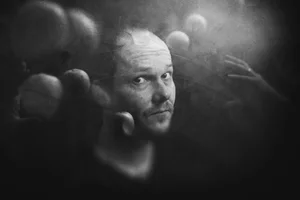
So, what do you see in the new image for the series “What were you thinking?”
Waarom laten fotografen graag hun werk zien?
“In elke foto zijn altijd twee mensen aanwezig: degene die hem maakt en degene die kijkt.”
Wie een foto maakt, zegt eigenlijk: dit zag ik, en het was het waard om vast te houden. Die uitspraak vraagt bijna vanzelf om een luisteraar. Een foto die op een harde schrijf staat, is in feite niet helemaal af. Pas als iemand anders ernaar kijkt, gebeurt er iets wat de fotograaf zelf niet kan bewerkstelligen: de beelden gaan een eigen leven leiden.
Een foto is half het verhaal van de maker en half dat van degene die kijkt. Dat is precies waar Ansel Adams in zijn uitspraak aan refereert. Iedere kijker brengt eigen herinneringen en associaties mee. Laten zien is dus ook leren: je ontdekt wat je beeld oproept en vaak is dat iets anders dan je bedoelde. Dat inzicht is waardevol, juist omdat je het zelf niet zag.
Daarnaast is het een manier om verbinding te vinden. Fotografie is een taal zonder woorden, maar tegelijk nodigt ze uit tot een gesprek. Wie zijn werk toont, zoekt vaak gelijkgestemden: mensen die dezelfde dingen opmerken, dezelfde stilte of dezelfde absurditeit.
Of het nu gaat om het spectaculaire landschap van Madeira, een straatportret of een zelfportret in Porto Moniz: fotografen tonen hun werk omdat kijken iets is wat je wilt delen. Het beeld is een brug tussen twee manieren van zien. En misschien is dat de kern: niet “kijk wat ik kan”, maar “kijk eens hoe ik dit zie, hoe zie jij het?”
Wat zie jij trouwens in het nieuwe beeld voor de serie “What were you thinking?”